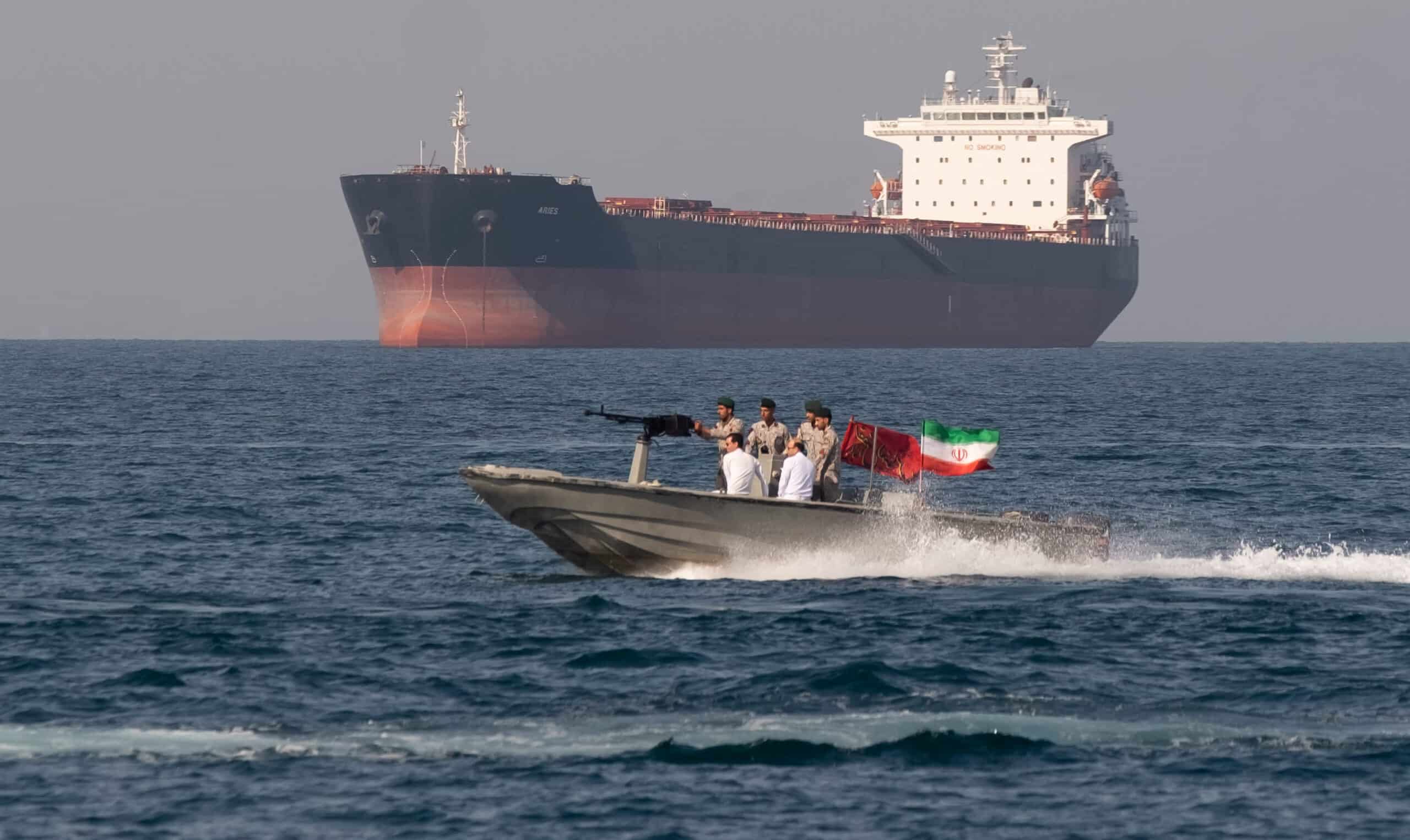




In a significant development amidst the ongoing US-Israeli war on Iran, Chinese ships have begun transiting the Strait of Hormuz under protocols approved by Iran, according to reports from Fars News Agency. The move, facilitated by what Iranian sources describe as a “strategic partnership” between the two nations, comes as the vital waterway remains largely closed to most vessels since the conflict began in February 2026.
Chinese ships start passing through the Strait of Hormuz under Iranian-approved transit protocols — Tasnim
Tehran says the move followed diplomatic efforts by Beijing and was coordinated under the countries’ ‘strategic partnership’ pic.twitter.com/QRDKi5HmE9
— RT (@RT_com) May 14, 2026
Data from Marine Traffic indicates that at least four China-linked vessels have passed through the strait in the past 24 hours, utilizing Iran’s designated “safe” shipping corridor. This transit follows diplomatic efforts led by China’s foreign minister and ambassador to Iran, highlighting Beijing’s active role in navigating the complex geopolitical landscape.
The Strait of Hormuz, a critical chokepoint for global oil and gas shipments, has been at the center of regional tensions. Iranian Foreign Minister Abbas Araghchi, speaking from the BRICS summit in New Delhi, asserted that the strait remains “open to all commercial vessels” contingent on cooperation with the Iranian navy. Araghchi attributed the primary obstacle in the strait to the “illegal US blockade,” echoing Tehran’s broader grievances against Washington’s policies.
Adding to the complexities, Israel has announced a $35 million deal to enhance the range of its F-35 fighter jets, signaling a commitment to bolstering its military capabilities in the region. This development coincides with US President Donald Trump’s visit to China, where he is expected to seek Beijing’s assistance in resolving the costly and unpopular war with Iran.
While a ceasefire has been in effect for over a month, diplomatic efforts have struggled to achieve meaningful progress. Washington’s demands for Tehran to dismantle its nuclear program and lift its control over the Strait of Hormuz clash with Iran’s insistence on compensation for war damage, an end to the US blockade, and a cessation of hostilities on all fronts.
Critical Analysis
- Geopolitical Implications: The transit of Chinese ships through the Strait of Hormuz under Iranian-approved protocols underscores the deepening ties between Beijing and Tehran, further complicating the already strained relations between the US and Iran. This development suggests a potential shift in regional power dynamics, with China playing a more assertive role in the Middle East.
- Economic Ramifications: The ongoing conflict and disruptions to shipping in the Strait of Hormuz have significant implications for global energy markets and supply chains. The increased involvement of China in facilitating trade through the waterway could provide some relief, but the situation remains volatile.
- US-China Relations: Trump’s efforts to enlist China’s help in resolving the conflict highlight the complexities of the US-China relationship. While Washington seeks Beijing’s cooperation on Iran, the two countries remain at odds over trade and other strategic issues. The outcome of Trump’s visit to China will likely have a significant impact on the future trajectory of the conflict.
- Israeli Military Expansion: Israel’s deal to extend the range of its F-35 fighter jets further highlights the escalating military build-up in the region, and serves to undermine diplomatic efforts.