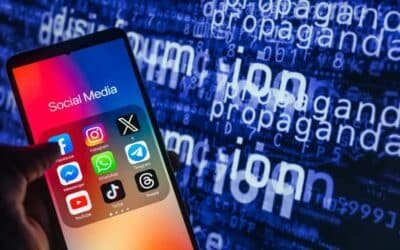





Pakistan’s democratic trajectory has long been shaped by contested narratives, political volatility, and information warfare. In 2025, a new and potent threat has entered this arena: AI-generated deepfake videos and audio capable of mimicking political figures with alarming realism. These tools—once the domain of tech labs—are now accessible to anyone with a consumer-grade laptop, blurring the line between authentic and fabricated political communication.
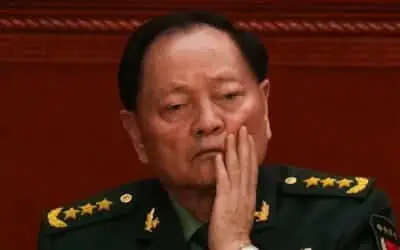
The danger was starkly visible during the May 2025 border conflict, when a video appearing to show a senior Pakistani military official admitting to battlefield losses circulated on social media. Within hours, it had been shared thousands of times, sparking domestic outrage before analysts confirmed it was AI-generated. The episode highlighted how deepfakes can weaponize moments of national stress, manipulating perceptions before truth can catch up.
Pakistan’s Vulnerability
Pakistan’s political environment amplifies the deepfake threat in three key ways:
- Information Control and Blackouts
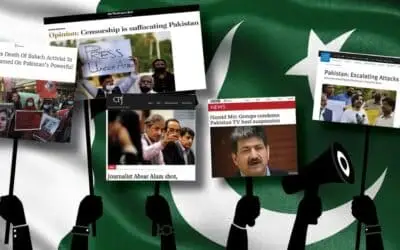
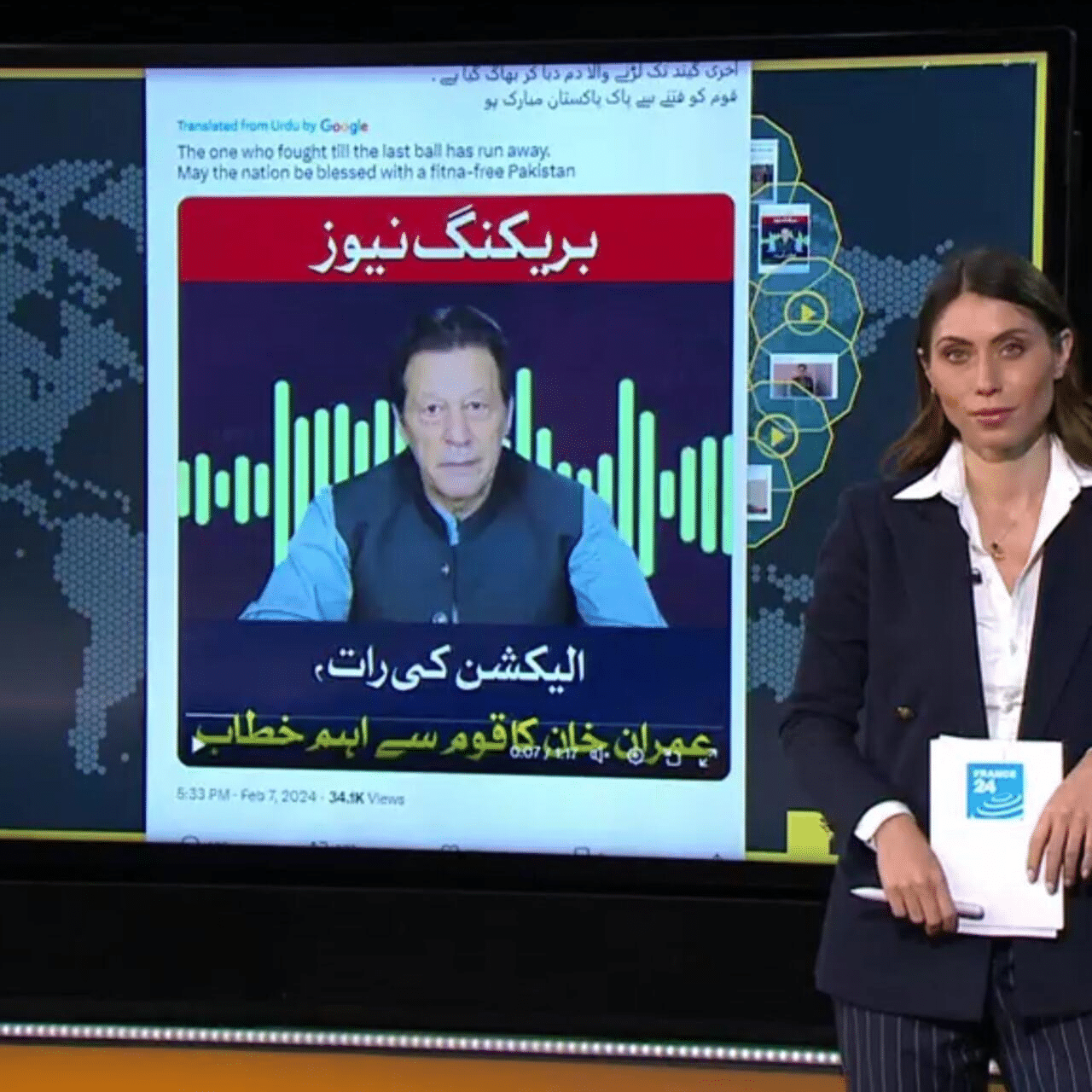
Frequent internet restrictions during elections and protests limit the speed at which fact-checkers and journalists can debunk false content. In February 2024, when a deepfake audio clip purportedly of former Prime Minister Imran Khan urged voters to boycott polls, connectivity restrictions delayed its verification, allowing it to shape voter perceptions unchecked. - High Political Polarization
In a hyper-partisan environment, even debunked content can reinforce existing biases. Deepfakes need not be believed universally—merely enough to deepen distrust in the political process. - Low Digital Literacy and Misinformation Ecosystem
While Pakistan has over 190 million mobile connections, public media literacy remains limited. This creates fertile ground for manipulative AI content, particularly when it exploits linguistic and cultural nuances.
Deepfakes in Crisis Contexts
During periods of heightened tension—such as the May 2025 skirmishes along the eastern border—deepfakes can serve as catalysts for unrest. Fabricated clips of military officials, politicians, or foreign leaders can inflame public sentiment or provoke hasty policy responses. In volatile cross-border environments, even a short-lived falsehood can escalate diplomatic or security crises.
You May Like To Read: Pakistani Diaspora in Digital Battles: Victims, and Amplifiers
In one unverified but widely reported case during the border flare-up, a manipulated video appeared to show a government minister privately admitting to election-rigging. Though quickly debunked by independent analysts, the damage to political credibility lingered.
The Regulatory Gap
Pakistan’s current legal framework is ill-equipped for the specificity and speed of deepfake threats. The Prevention of Electronic Crimes Act (PECA) 2016 addresses cyber harassment, defamation, and certain categories of misinformation but does not explicitly target synthetic media used for electoral interference. This gap means malicious actors face minimal legal deterrence.
By contrast, U.S. states like California and Texas have enacted laws banning malicious deepfakes in political campaigns during defined election windows, while Taiwan has incorporated real-time media forensics into its national election security framework.
Without similar clarity, Pakistan risks falling behind both technologically and legislatively, leaving its electoral system vulnerable.
Defensive Measures: What Needs to Be Done
1. Legislative and Ethical Safeguards
- Draft deepfake-specific legislation that criminalizes malicious creation and distribution of AI-generated political content, especially within six months of an election.
- Mandate clear labeling of AI-generated media, similar to watermarking standards under discussion in the EU’s AI Act.
2. Technological Infrastructure
- Establish a National Deepfake Detection Unit within the Pakistan Telecommunication Authority (PTA) to monitor high-risk periods like elections and national crises.
- Deploy AI-based verification tools—leveraging global resources like Facebook’s Deepfake Detection Challenge datasets—to rapidly authenticate or debunk suspicious media.
3. Institutional Coordination
- Integrate fact-checking protocols into the Election Commission of Pakistan’s media monitoring systems, ensuring swift response to viral misinformation.
- Strengthen collaboration between state agencies, independent media, and civil society for coordinated counter-narratives.
4. Public Awareness and Media Literacy
- Launch nationwide digital literacy campaigns to help citizens identify signs of manipulated content—such as unnatural speech cadences, inconsistent lighting, or mismatched facial expressions.
- Encourage cross-platform verification habits, teaching citizens to seek confirmation from multiple credible sources before believing sensational claims.
You May Like To Read: Old Media, New Threats: The Disinformation Dilemma
Case for Urgency
Globally, the electoral impact of deepfakes is already evident. In Slovakia’s 2023 parliamentary elections, a deepfake audio clip featuring a liberal candidate discussing vote-buying emerged just 48 hours before polls, too late for meaningful fact-checking. In Taiwan, AI-generated videos impersonating government officials were disseminated by suspected foreign actors to destabilize public confidence.
For Pakistan, the timing could not be more critical. With the next general elections scheduled for late 2025, and regional tensions simmering, the likelihood of synthetic media being deployed as an election interference tool is high. Political actors—both domestic and foreign—could exploit deepfakes to:
- Delegitimize electoral outcomes.
- Incite street protests or violence.
- Manipulate public sentiment on foreign policy.
Pakistan’s democratic resilience will increasingly hinge on its ability to confront AI-generated deception. Deepfakes are not simply an evolution of misinformation—they represent a qualitative leap, eroding the very notion of “seeing is believing.”
A multi-layered defense—anchored in law, technology, institutional preparedness, and public literacy—is essential. Without it, Pakistan risks entering an era where electoral legitimacy can be destabilized with a few keystrokes, and political stability compromised by digital illusions.