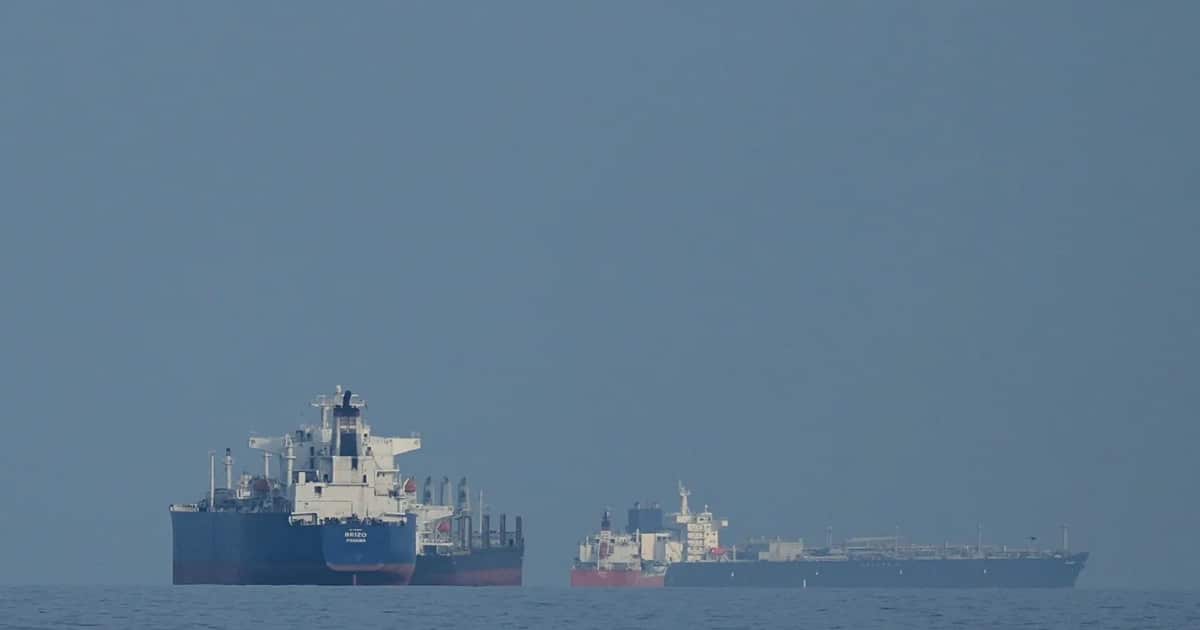



European Union foreign policy chief Kaja Kallas has emphasized the urgent need for diplomatic solutions to ensure the Strait of Hormuz remains open, a strategically vital chokepoint.
Speaking after a high-level meeting of EU foreign and energy ministers in Brussels, Kallas warned against military escalation in the region, particularly as tensions rise amid the ongoing conflict involving Iran. Her remarks come in response to calls from US President Donald Trump urging allies to deploy naval forces to secure shipping lanes, a move the EU appears reluctant to support.
EU foreign policy chief Kaja Kallas said the EU has not closed its doors on participating in an operation near the Red Sea, adding that the member states do not want to put their people in harms way in the Strait of Hormuz, and are looking for diplomatic ways to keep the strait… pic.twitter.com/MfYUSwScDR
— Reuters (@Reuters) March 17, 2026
Strategic Waterway at the Heart of Global Stability
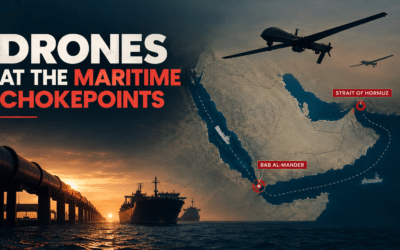
The Strait of Hormuz is one of the world’s most critical maritime chokepoints, through which a significant portion of global oil and gas supplies passes. Any disruption in this narrow passage could trigger widespread consequences, including spikes in energy prices and shortages of essential goods such as food and fertilizers.
Kallas stressed that safeguarding this route is not only a regional concern but a global priority, warning that instability could quickly evolve into a broader economic crisis affecting millions worldwide.
Balancing Security Concerns with Diplomatic Solutions
While acknowledging the seriousness of the threat, Kallas made clear that EU member states are hesitant to put lives at risk through military deployments in such a volatile environment. Instead, the bloc is advocating for dialogue and coordinated international efforts to de-escalate tensions and maintain safe passage through the strait.
You May Like To Read: Day 18 of US-Israel War Against Iran: Trump Delays China Summit | US-Israeli Strikes Intensify | Gulf Burns
The EU’s approach reflects a broader commitment to conflict prevention through diplomacy, even as pressure mounts from allies for a more assertive security response. The coming days will be crucial in determining whether diplomacy can prevail over confrontation in one of the world’s most sensitive regions.
Check out our latest video: