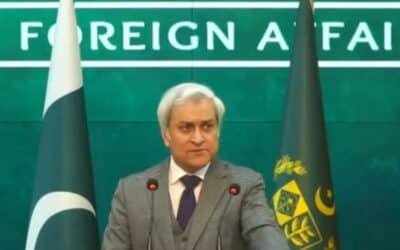
Addressing the Security Council, Pakistan’s permanent representative urged the interim Afghan administration to fulfill its international obligations and prevent its territory from being used as a launchpad for cross-border terrorism. The brief was supported by China’s envoy, who backed Pakistan’s counterterrorism measures and advocated for international sanctions against the Balochistan Liberation Army (BLA) and its specialized suicide wing, the Majeed Brigade.
Statement by Ambassador Asim Iftikhar Ahmad,
Permanent Representative of Pakistan,
At the UNSC Briefing on Threats to International Peace and Security Caused by Terrorist Acts
(5 August 2026)
*****Madam President,
Allow me to begin by congratulating you on assuming the… pic.twitter.com/hiKzPHd0E4
— Permanent Mission of Pakistan to the UN (@PakistanUN_NY) August 5, 2026
1. Escalating Cross-Border Security Threats
-
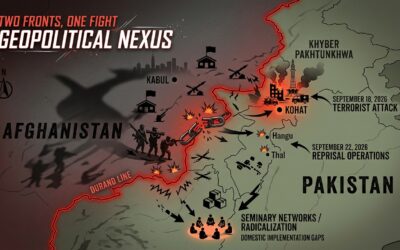
Insurgency in KP and Balochistan: Both Khyber Pakhtunkhwa and Balochistan continue to face violent insurgencies, with militant leadership and operational cells utilizing safe havens inside Afghanistan to plan and execute attacks across the border.
-
Proliferation of Terrorist Entities: UNSC monitoring reports continue to endorse Pakistan’s assessments regarding the operational space afforded to non-state actors in Afghanistan. Outfits maintaining an active presence include:
-
Tehreek-i-Taliban Pakistan (TTP): Conducting cross-border operations against Pakistani civilian and military targets.
-
Al Qaeda and ETIM: Maintaining ideological and logistical ties with regional militant groups.
-
Islamic State Khorasan Province (IS-K): Operating as a major regional threat opposed to both the Taliban authorities and neighboring states.
-
BLA and Majeed Brigade: Executing violent separatism in southwestern Pakistan while utilizing sanctuary across the border.
-
2. Diplomatic and Economic Dilemmas
-
Implausible Denials: The Afghan Taliban leadership continues to deny the presence of foreign terrorist outfits within its borders. However, international monitoring bodies and neighboring states cite a growing body of evidence indicating an agreeable operational atmosphere for these groups.
-
Economic Isolation vs. Regional Integration: Afghanistan faces severe economic degradation and widespread humanitarian distress. While long-term recovery depends heavily on regional trade, transit corridors, and economic integration, continued harboring of militant groups threatens to keep Kabul diplomatically isolated.
-
Limitations of Unilateral Kinetic Action: While Pakistan has previously employed targeted kinetic strikes to deter cross-border attacks, sustained military hostilities across the Durand Line present long-term strategic and economic costs, highlighting the need for broader political solutions.