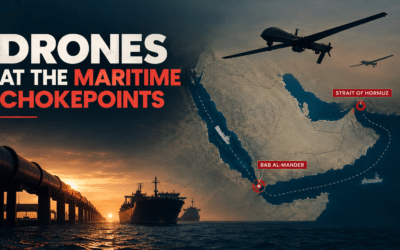
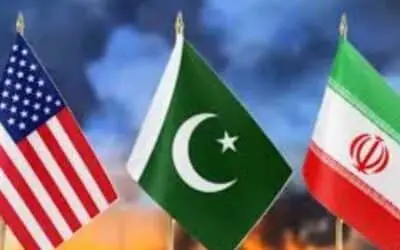
Iranian Foreign Ministry spokesperson Esmail Baqaei publicly reaffirmed on Monday that Pakistan remains the primary intermediary facilitating indirect communications between Tehran and Washington. The official statement dismissed recent media speculation claiming China had replaced existing channels to broker a resolution over the Strait of Hormuz and broader regional security tensions.
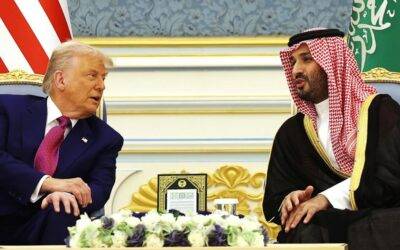
Baqaei’s remarks follow intensified regional diplomacy after US President Donald Trump announced the cancellation of planned military strikes against Iran in favor of renewed negotiations targeting Tehran’s nuclear program and maritime stability.
“The mediator for us is Pakistan, with Qatar cooperating in this regard – and China is seeking to prevent escalation, not acting as a mediator.” – Iranian Foreign Ministry spokesman and negotiating team member Esmaeil Baqaei. 🇮🇷🇵🇰🇶🇦🇨🇳 pic.twitter.com/pusBfnP2fR
— IRGC (@IRGC_Press) August 3, 2026
The Architecture of Regional Mediation
While clarifying the diplomatic hierarchy, Iranian officials highlighted the roles of regional partners in mitigating conflict escalation:
-
Pakistan as Core Intermediary: Tehran reaffirmed that Pakistan continues to serve as the chief conduit for passing official proposals, formal communications, and structural frameworks between the United States and Iran.
-
Supportive Facilitation by Qatar and Oman: Qatar assists in diplomatic exchanges when required, while Oman maintains separate consultations with Iranian authorities focused on facilitating temporary safe transit for commercial shipping through the Strait of Hormuz.
-
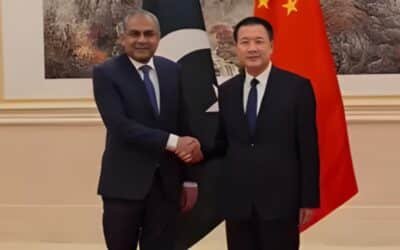
Clarification on Beijing’s Role: While acknowledging “very friendly relations” and constructive dialogue with China regarding Middle Eastern stability, Baqaei clarified that Beijing has not been added as a formal new mediator in US-Iran negotiations.
High-Level Bilateral Engagements
Diplomatic momentum between Islamabad and Tehran has accelerated following recent security developments:
-
Military & Foreign Affairs Contacts: Iranian Foreign Minister Seyed Abbas Araghchi conducted multiple consultations within 24 hours with Pakistan’s Chief of Defence Forces, Field Marshal Syed Asim Munir, and Saudi Foreign Minister Prince Faisal bin Farhan.
-
Formal Invitation to Islamabad: Pakistan’s Deputy Prime Minister and Foreign Minister Ishaq Dar held direct talks with Araghchi on Monday, extending a formal invitation for the Iranian Foreign Minister to visit Pakistan.
-
Multilateral Diplomatic History: Islamabad previously hosted the first direct US-Iran talks in April 2026, leading to the Islamabad Memorandum of Understanding (MoU) in June. This framework established joint technical working groups, direct communication lines to prevent maritime clashes, and follow-up mediator meetings in Bürgenstock, Switzerland, and Doha.
Strategic Analysis: Pakistan’s Pivotal Role in Gulf Diplomacy
Iran’s explicit reassertion of Pakistan’s mediator status underscores several vital geopolitical realities:
Trusted Institutional Neutrality
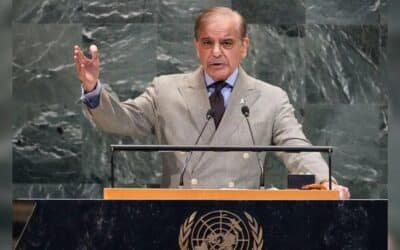
Pakistan’s unique diplomatic positioning—maintaining functional security ties with Washington, strong defense collaboration with Gulf states, and an extended border with Iran—enables Islamabad to act as an acceptable bridge during high-stakes military standoffs. By keeping communication lines open through Pakistan, both Washington and Tehran retain a reliable mechanism to manage crisis escalation without losing strategic leverage.
Safeguard Against Multi-Party Overcrowding
Tehran’s public clarification regarding Beijing highlights a preference for keeping the core negotiation framework structured around established intermediaries like Pakistan, Qatar, and Oman. Maintaining a streamlined mediation channel prevents conflicting diplomatic tracks from emerging, ensuring that technical discussions on maritime security and nuclear compliance remain centered around the agreements forged under the Islamabad MoU.