




Pakistan now faces a paradigm shift in cross‑border smuggling: organized crime groups are leveraging cryptocurrencies, encrypted messaging platforms, and dark web marketplaces to facilitate the illicit trade of drugs, arms, counterfeit goods and terrorist financing. These digital innovations pose serious challenges to traditional border control mechanisms and financial intelligence units (FIUs).
Cryptocurrency: The New Smuggler’s Currency
Despite an official ban on crypto transactions by the State Bank of Pakistan (SBP), governmental push to integrate virtual assets into the economy continues apace. The SBP declared cryptocurrency illegal, but high-level meetings—including the Pakistan Crypto Council (PCC)—are concurrently planning regulatory frameworks and digital‑asset infrastructure integration.

Source: Dawn
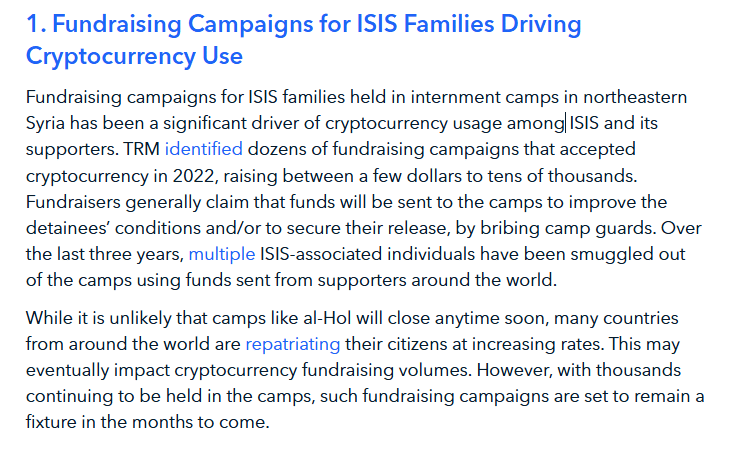
This legal ambiguity offers criminal networks a loophole: digital currencies like Bitcoin, Ethereum, or USDT on Binance enable them to move value across borders with little trace. Reportedly, ISIS and other terrorist organizations, operating in different regions, have been using crypto currencies to raise funds and finance their terrorist activities.
Source: Trmlabs
Moreover, a cyber‑terror ring in Uttar Pradesh routed over Rs 8 crore into 30 Pakistani bank accounts via crypto channels to finance terrorism—exposing the use of Binance-linked wallets for terror funding networks with Pakistani links..
Dark Web Marketplaces and Encrypted Networks
The dark web continues to underpin the global trade in illicit goods—drugs, counterfeit pharmaceuticals, arms and identity documents—conducted through encrypted channels only accessible via Tor or other tools. Studies show that even small-scale arms or drug vendors can directly access global darknet markets, bypassing entire traditional trafficking chains. Markets closed by crackdowns tend to rapidly re-form or migrate to active platforms, underscoring their resilience and decentralized architecture.
More Like This:
- The Economic Roots of Rising Crime
- A Tale of Two Justices: Elite Crime vs. Rule of Law in Pakistan
- Grand Operation Against Land and Plaza Mafia in Lahore
In Pakistan’s context, while documented evidence of smuggled weapons via cryptomarkets is limited, the broader role of the dark web as an enabler for trafficking is well‑established internationally. Analogously, counterfeit pharmaceuticals produced in and routed from Pakistani networks have reached markets abroad, exploiting both postal systems and darknet channels.
Smuggling of Drugs, Counterfeit Goods and Arms: New Modus Operandi
a. Drugs
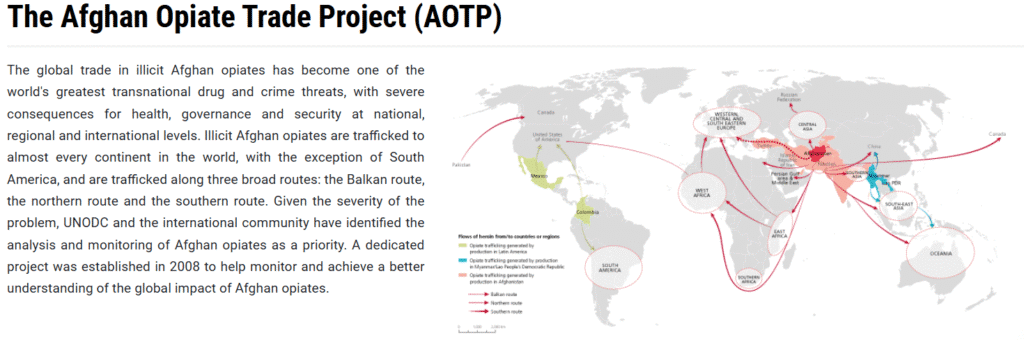
Afghan heroin and opiates remain lucrative exports through southern corridors into Pakistan. Dark markets enable the final stage (“last‑mile”) distribution more than origin-state producers. Pakistani criminal networks use encrypted messaging apps (e.g. Telegram) and darknet forums to connect suppliers with cross-border buyers.
Source: UNODC
b. Counterfeit Goods
Organized counterfeit drug trafficking has been highlighted in U.S. cases involving Pakistan-linked operators. These rings exploit digital platforms to coordinate shipments of fake pharmaceuticals across borders.
c. Arms
While dark web arms listings are dominated by listings tied to the U.S. and Europe, the overall model—ordering weapons or tutorials online, shipped globally in small packages—poses potential for illicit supply networks to Pakistan and vice versa.
Challenges for Traditional Border and Financial Controls
a. Fintech Evasion
Digital currencies allow criminals to circumvent formal banking channels. Schemes using mule accounts, Telegram banking bots, shell wallets and crypto mixing services complicate audit trails and hamper FIUs.
b. Encryption & Anonymity
Encrypted messaging (e.g. Telegram groups), encrypted emails and hidden .onion darknet domains inhibit surveillance, while the mutual anonymity between buyer, vendor, courier, and financial conduits reduces traceability.
c. Fragile Intelligence Frameworks
FIUs and customs agencies in Pakistan may lack sufficient technical capacity or legal authority to analyse blockchain flows, trace transactions or engage in cryptocurrency forensics. The legal grey‑area exacerbates enforcement delays and judicial uncertainty.
d. Regulatory Asynchrony
The simultaneous push to regulate and legalize crypto while retaining outright bans creates enforcement gaps. Authorities may be unsure about liabilities, delaying decisive action against illicit networks.
Strategic Recommendations
- Establish Clarity in Legal Framework: Finalise and implement the Pakistan Virtual Assets Regulatory Authority (PVARA) swiftly to ensure that crypto-related activities are clearly regulated and illicit tokens can be traced or reversed.
- Build SIU / FIU Expertise: Invest in blockchain analytics, interdiction tools, wallet tracking, and trained investigators capable of prosecuting techno-financial crimes.
- International Coordination: Enhance cooperation with agencies such as FATF, Europol, UNODC, U.S. DHS, and Indian authorities to map cross-border smuggling patterns, darknet vendor behaviours, and money flows.
- Undercover Monitoring of Encrypted Platforms: Deploy open-source intelligence (OSINT) on darknet forums and messaging services to identify ring structures, vendor listings, and shipment coordination plans.
- Strengthen Customs and Postal Inspection: Combine traditional physical inspection with intelligence-derived targeting to interdict cryptomarket‑linked shipments of drugs, counterfeit goods or arms.
Pakistan stands at the crossroads of a new era in smuggling: digital tools are reshaping how illicit actors operate across borders. Cryptocurrencies, encrypted messaging and decentralized dark web marketplaces empower organized groups to obscure money flows and manage logistics with minimal physical footprint. Without robust legal frameworks, technical capacity, and intelligence coordination, traditional border and financial controls risk being outpaced by evolving digital smuggling rings. Proactive regulatory action and strategic investment in enforcement technologies are essential to closing these emerging vulnerabilities.