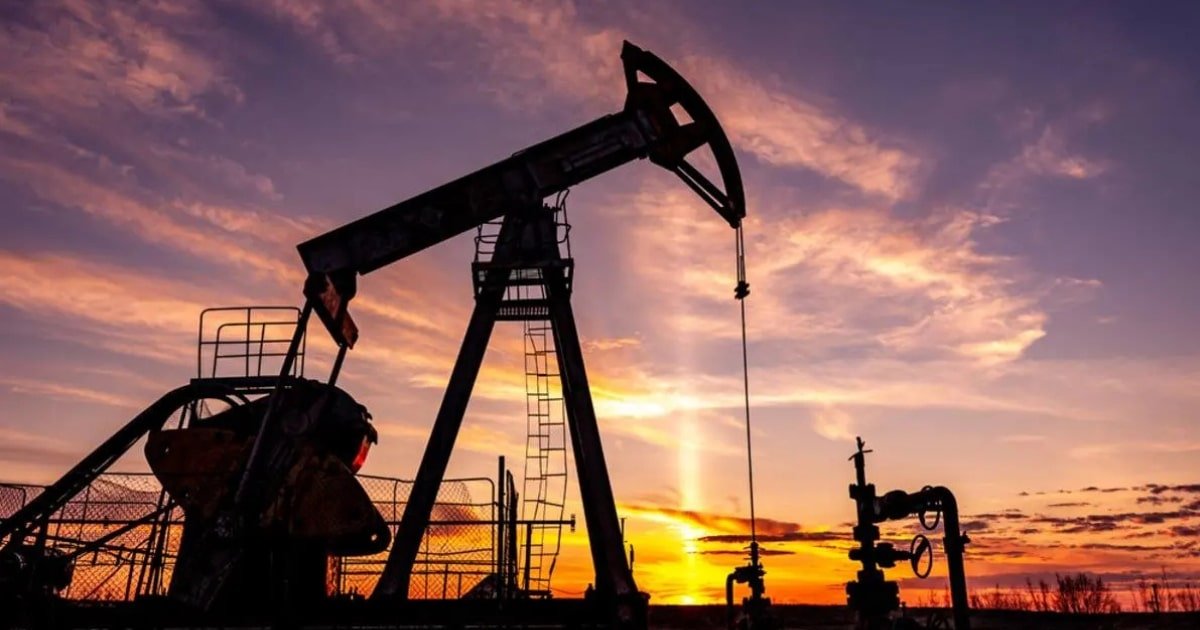




Global crude oil benchmarks continued their downward trend for a second consecutive session on Tuesday, as market participants reacted to potential de-escalation in the Middle East and a shift in global trade dynamics following a significant U.S.-India trade agreement.
Market Snapshot
- Brent Crude: Fell 39 cents (0.5%) to $65.91 per barrel at 0330 GMT.
- West Texas Intermediate (WTI): Dropped 31 cents (0.5%) to $61.83 per barrel.
Geopolitical De-escalation
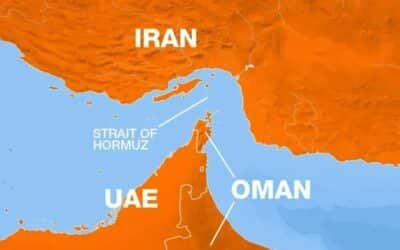
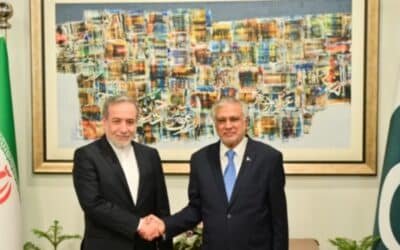
The primary driver for the current retraction follows a 4% slump on Monday, triggered by U.S. President Donald Trump’s signals of renewed diplomacy with Tehran. Officials have confirmed that Iran and the U.S. are expected to resume nuclear talks this coming Friday in Turkey.
“The sharp up-and-down moves look more like sentiment-driven trading rather than any major shift in fundamentals,” noted Priyanka Sachdeva, Senior Market Analyst at Phillip Nova. “With no fresh escalation on the geopolitical front, oil clearly failed to hold onto gains.”
Oil prices fell on Tuesday, easing for a second day, as market participants weighed the possibility of a de-escalation in U.S.-Iran tensions, while a firmer dollar placed greater downside pressure on prices. https://t.co/dOZQHBBdXl
— Reuters Africa (@ReutersAfrica) February 3, 2026
The “Trump-Modi” Trade Factor
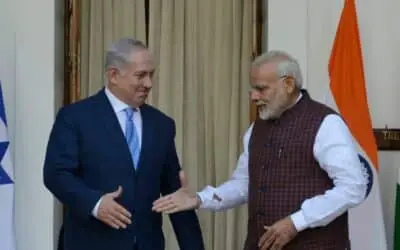
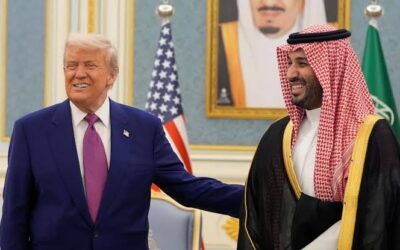
Downward pressure on prices intensified overnight following the announcement of a landmark trade deal between U.S. President Donald Trump and Indian Prime Minister Narendra Modi. Under the terms of the agreement:
- Tariff Reductions: U.S. tariffs on Indian goods will be slashed from 50% to 18%.
- Energy Shift: In exchange, India has committed to halting purchases of Russian oil, opting instead to source crude from the U.S. and potentially Venezuela.
ING analysts warned that while the deal strengthens bilateral ties, it may lead to an “increase in the amount of Russian oil floating at sea” as Moscow seeks new buyers, potentially further saturating the global market.
Currency and Macroeconomic Pressures
A strengthening U.S. Dollar Index, currently at a week-long high, has made dollar-denominated crude more expensive for international buyers, curbing demand. Market sentiment was also influenced by President Trump’s nomination of Kevin Warsh as the next Federal Reserve Chair, which bolstered the greenback.
You May Like To Read: President Mahmoud Abbas Announces Historic Direct Elections for Palestinian National Council
Outlook for February
Analysts anticipate continued volatility throughout the month. “Prices are likely to remain choppy and range-bound,” Sachdeva added. “They are expected to stay highly reactive to headlines and macro cues, with risk skewed to the downside.”
Check out our latest video: