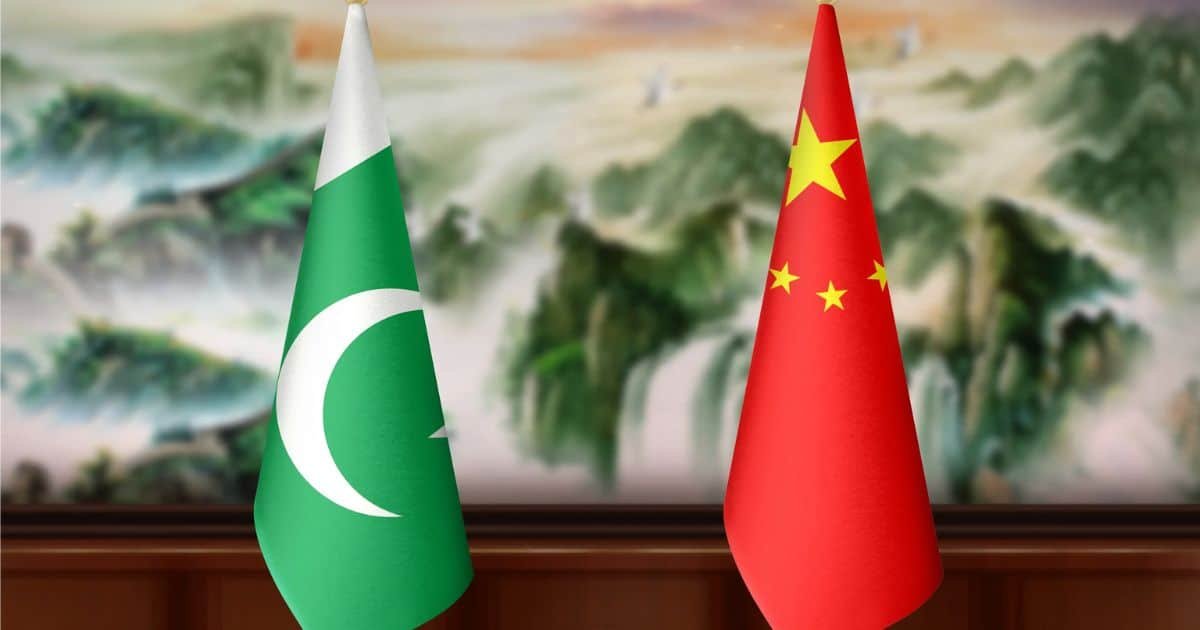





In a significant move to bolster Pakistan’s human capital and accelerate the objectives of the China-Pakistan Economic Corridor (CPEC) Phase II, the National Vocational and Technical Training Commission (NAVTTC) is set to formally sign 11 professional and training programmes with China. This landmark development is scheduled to take place on Thursday during Prime Minister Shehbaz Sharif’s official visit to China.
The signing of these agreements underscores the steadfast commitment of both nations to ensuring the earliest and most effective completion of CPEC. Recognizing that a highly skilled workforce is critical to the success of this monumental project, Prime Minister Shehbaz Sharif entrusted the responsibility of preparing this workforce to Federal Minister for Education and Professional Training, Dr. Khalid Maqbool Siddiqui. Under the minister’s direction, NAVTTC has worked diligently to align Pakistan’s technical and vocational education system with the evolving demands of CPEC Phase II.
In a proactive effort to secure Chinese cooperation, NAVTTC Chairperson Gulmina Bilal Ahmed visited China to present a comprehensive briefing on Pakistan’s requirements for a skilled workforce. This direct engagement resulted in a strong consensus on a series of specialized programmes designed to equip thousands of Pakistanis with in-demand skills for both CPEC-related ventures and the global job market.
The 11 specialized programmes, agreed upon by both sides, are comprehensive and far-reaching, encompassing a diverse array of modern fields. Key initiatives include:
- Language and Communication: Training in the Chinese language, along with the preparation of local instructors, to bridge linguistic barriers and enhance professional communication.
- Modern Technology and Innovation: Programmes focused on e-commerce, software technology, drone applications, and intelligent manufacturing, reflecting the shift towards a digitally-driven economy.
- Essential Sector Skills: Specialized training in agriculture and medical laboratory sciences to address the growing needs of these critical sectors.
- Curriculum and Academic Development: Collaborative development of curricula, digital courses, and degree programmes in modern fields, including intelligent manufacturing.
- International Academic Mobility: Dual diploma and degree programmes that will provide Pakistani students with opportunities to pursue higher education and practical training in China.
- Teacher and Trainer Exchange: Initiatives for teacher exchange and training to ensure that Pakistani instructors are equipped with the latest teaching methodologies and technical knowledge.
- Specialized Training Centers: Establishment of dedicated workshops and training centers for nursing, rehabilitation, pharmacy, smart health, non-ferrous metallurgy, and intelligent mining technologies.
- Globally Recognized Certifications: Programmes leading to internationally recognized certifications in key fields such as construction engineering, artificial intelligence, agriculture, and hospitality management.
NAVTTC and the Government of China have already signed 11 Memorandums of Understanding (MoUs) related to these projects, paving the way for the formal agreements to be signed on Thursday. These projects are expected to not only produce thousands of skilled professionals but also create opportunities for dignified and sustainable employment, both within CPEC-related projects and on the international stage.
The successful implementation of these programmes will mark a significant milestone in Pakistan’s journey towards economic self-sufficiency and will contribute directly to the prosperity and development envisioned under CPEC Phase II.
You May Like To Read: