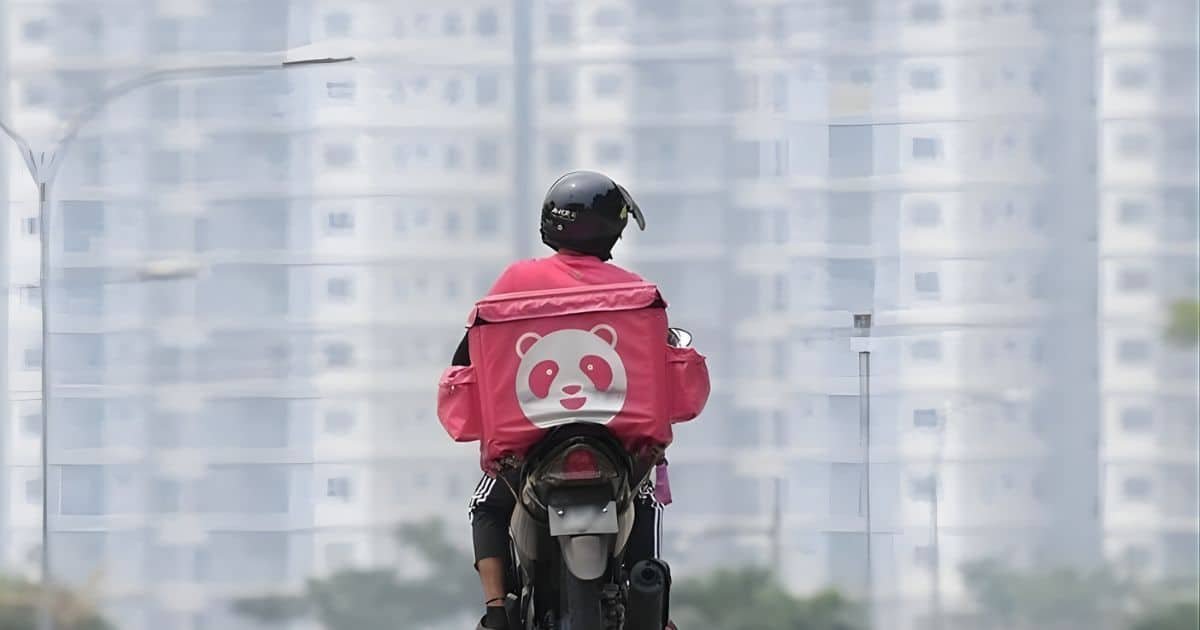





When an app brings a meal, a ride, or a designer from across the city to your doorstep, it feels like progress. But behind the tap-and-deliver convenience is a workforce that often carries the cost: low pay, shaky protections, and management by opaque algorithms. In Pakistan, where digital platforms expanded rapidly over the last decade, gig work has become an important, yet precarious, source of income for hundreds of thousands of people.
The Size of the Problem: Important but Informal
Estimates suggest platform workers form a meaningful slice of Pakistan’s labour market. Fairwork and related studies put app-linked workers at around a few percent of the labour force, hundreds of thousands of people who rely on rides, deliveries, or freelance platforms for income. While the sector promises flexibility, that same informality leaves workers outside labour law protections like minimum wage, paid leave, and social security.
Platforms Pull Back as Economics Tighten
Global and regional platform decisions have direct local consequences. In 2025, Careem, once a pioneer of app-based transport in Pakistan, announced it would suspend its Pakistan service, citing a harsh economic environment, falling investment, and intense competition. Such exits shrink options for drivers and highlight how quickly platform work can evaporate when corporate strategy or market conditions shift. That volatility translates into sudden income loss for workers who lack unemployment safety nets.
How Algorithms Shift the Balance of Power
Workers do not just face market risk; they face algorithmic management. Ride and delivery apps use opaque pricing rules, automated deactivations, and performance-scoring systems that determine who gets work and how much they earn. Drivers and riders report abrupt deactivations and pay reductions that are hard to contest, and these automated decisions often come without human review or clear explanation, a modern form of discipline that shifts risk entirely onto the worker. Evidence from global reporting shows drivers protesting algorithm-driven fare cuts and “black box” policies; Pakistani workers report similar grievances.
You May Like to Read: Human Capital Development and Skills Gap in Pakistan: Meeting the Demands of a Modernizing Economy
Wages, Costs, and the Decline of Real Earnings
Many studies have found that after accounting for vehicle wear, fuel, equipment, commissions, and unpaid waiting time, platform “earnings” can fall below minimum wage levels. In Pakistan, research has shown that very few platforms guarantee payment above the minimum wage once costs are deducted. This gap between headline pay and real take-home pay is the everyday reality for riders and drivers who must cover their own insurance, repairs, and mobile data.
You May Like to Read: Digital Transformation in Revenue: Pakistan’s New Digital Taxation Reforms and Their Economic Impact
The Freelancer Paradox: Flexibility, But No Safety Net
Online freelancers who sell services through platforms like Fiverr face a different set of risks: income volatility, client disputes, and tax and regulatory confusion. The federal budget and tax authority have moved to formalise freelance incomes, introducing simplified tax regimes and fixed rates for small-scale earners, which could help compliance but also places new burdens on freelancers to register and file returns. Formalisation without social protection, however, risks turning flexible work into a bureaucratic liability rather than a path to stability.
You May Like to Read: Pakistan’s Education-Policy Paradox: More Graduates, Less Employability
Collective Action and Fragmented Responses
Gig workers in Pakistan have organized strikes and protests, most notably delivery riders who have stopped work to demand fairer pay and timely payments. These actions show worker solidarity but also reveal limits: fragmented membership, sporadic bargaining power, and platforms that can reroute demand or replace workers quickly. Without legal recognition as employees or a bespoke regulatory framework for platform labour, collective actions remain a blunt and intermittent tool.
What Governments and Platforms Can Do
Policymakers face a choice: ignore the sector and accept rising precarity, or design targeted reforms. Practical steps include clarifying employment status, guaranteeing minimum pay floors after costs, requiring transparency in algorithmic decisions, and extending access to social protection schemes for gig workers. Platforms, for their part, can introduce fair dispute mechanisms, predictable pay models, and contributions to health and accident insurance. Successful change will require both regulation and willing corporate reform.
A Pakistani Way Forward: Pragmatic and Local
Solutions must fit Pakistan’s realities: a large informal economy, limited fiscal space, and uneven enforcement capacity. Policymakers could pilot sector-specific interventions, such as portable benefits for delivery riders or a micro-contribution social fund financed partly by platforms and partly by workers. Tax simplifications for freelancers should be paired with access to pension plans and dispute-resolution services. The goal should be to preserve useful flexibility while shrinking the gap between promise and practice for workers.
You May Like to Read: The Politics of Subsidies: Welfare or Elite Capture in Pakistan’s Economy?
Conclusion: Who Really Pays the Price?
Consumers pay convenience with a tap; platforms profit from scale; investors chase growth; but it is often the riders, drivers, and freelancers who pay the true price, through low pay, health risks, and absence of protection. Pakistan’s challenge is to accept the gig economy’s potential while refusing to let prosperity rest on precarious labour. That will take data-driven policy, enforceable minimum standards, and an agreement that convenience cannot be built on the backs of invisible workers. If Pakistan gets this balance right, gig work can become a sustainable opportunity rather than a persistent problem.
Check out our latest video: