Economic Desperation and the Rise of Crime in Pakistan
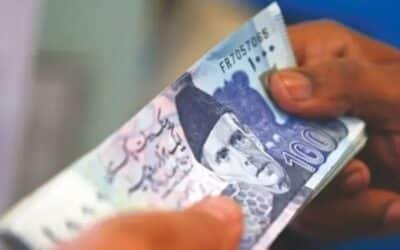
Pakistan’s ongoing economic crisis, deepening through 2025, continues to push millions into financial despair, fueling a steady rise in crime. As of mid-2025, the Consumer Price Index (CPI) remains alarmingly high, averaging around 24.5%, while food inflation still hovers near 35%, keeping essentials like wheat, flour, sugar, and cooking oil out of reach for many households. Fuel prices have remained volatile, often exceeding Rs 310 per litre, exacerbating transport and living costs across urban and rural areas alike.
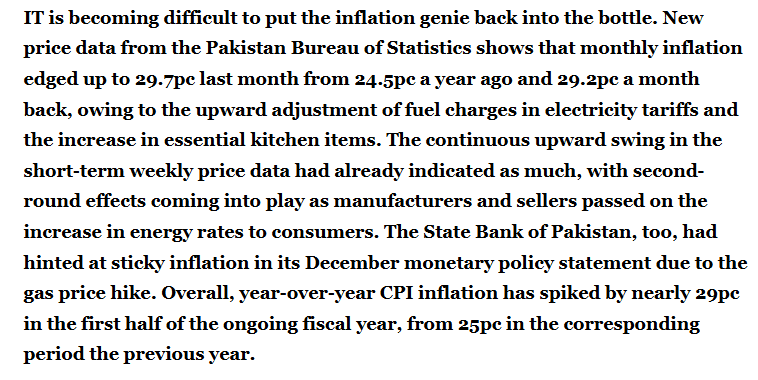
Source: Dawn.
The unemployment rate has worsened, particularly among youth and daily wage workers affected by persistent power outages, stagnant industrial activity, and climate-related displacements. Devastating floods in southern Punjab and Sindh in early 2025 displaced thousands more, further shrinking rural incomes and eroding household resilience. According to the Pakistan Bureau of Statistics and recent World Bank estimates, over 40% of the population, more than 75 million people, now live below the poverty line, marking a significant increase from prior years. Meanwhile, the wealth gap has widened, with inflation and economic shocks disproportionately affecting lower-income households, reinforcing cycles of desperation and driving many toward illicit means of survival.
The Linkages Between Inflation, Unemployment, and Crime
Multiple studies and real-world trends in Pakistan point to a clear link between rising unemployment, inflation, and increased crime. Research shows that when people lose jobs and face soaring prices, especially for essentials like food and fuel, they are more likely to resort to crimes of necessity, such as theft or robbery. Analysts note that worsening poverty, growing inequality, poor access to education, and weak governance further push individuals, especially young people, toward illegal activities as a means of survival. The combination of economic stress and limited opportunities is creating a dangerous environment where crime becomes a last resort for many.
More Like This:
In economic‑criminological terms, as explained by Gary Becker’s, “Rational Choice Framework,” individuals weigh risks against gains. But when economic alternatives deteriorate, the perceived benefits of petty theft, extortion, or smuggling often outweigh the (weak) risk of punishment, especially under fiscal constraints that hamper law enforcement effectiveness in Pakistan.
Evidence from Crime Trends
National statistics and investigative records reinforce these linkages:
- Urban theft and robbery cases surged in 2024. Robbery incidents rose by 12% in major cities, per national crime data, with rising inflation cited as a key catalyst.
- Karachi recorded over 90,000 street‑crime incidents in 2023. Despite law enforcement efforts in Lahore reducing reported crime to 4,686 in early 2025 (down from 12,739 in 2023), Karachi and Islamabad saw persistent spikes in violent crimes including kidnappings and assaults, underscoring geographic disparity largely driven by economic variability and policing capacity.
- In Punjab, localized interviews and police data revealed a 67% rise in reported overall crime in 2020, attributed principally to inflation and unemployment‑driven desperation among lower‑income segments.
Case Studies of Economic Pressure Turning to Crime
In early 2023, helpless demand for subsidized flour during Ramadan and Zakat led to deadly crowd stampedes in cities like Mardan, Charsadda, and Mirpurkhas. At least 15 people died and dozens were injured in crushes motivated by extreme scarcity of staple food support.
Additionally, Chronic electricity theft, known as the “Kunda” System, continues to plague Pakistan’s power sector. Despite crackdowns recovering hundreds of millions in rupees, many households resort to illegal connections simply to afford basic energy, a survival strategy born of pervasive poverty. In 2025, 13,416 kunda removal operations have been conducted, causing the discovery of 171,298 kgs of wires used. KE spokesperson Imran Rana stated that electricity supply has been constant, with 70% of the network load shedding free, receiving a continuous power supply 24/7.
Source: ARY News.
Economic Hardship Shapes Organized and Illicit Crime
Desperation is not limited to petty theft. Pakistan faces an expanding panorama of organized criminal networks that exploit economic misery for recruitment and profit. The notorious gang networks operating in riverine Sindh and South Punjab (the “Bandits of Katcha”) engage in kidnapping, extortion, smuggling, and violent robbery. These gangs often recruit economically marginalized youth who see few legitimate alternatives. Moreover, border smuggling of fuel, sugar, foreign currency, and other essentials remains a lucrative activity, valued at several billion dollars annually, and often embedded in local economies where official incomes stagnate.
Structural Weaknesses Amplify the Crisis
Economic hardship intersects with governance deficits to amplify crime. Pakistan’s law enforcement agencies operate under severe budget constraints, with slow response times and low case‑closure rates, major deterrents to criminal activity remain weak. Furthermore, corruption within policing and the judiciary undermines trust, reduces perceived risk of detection, and allows criminals to act with relative impunity.
Integrated Policy Response: Breaking the Cycle of Crime and Economic Desperation
To effectively address the surge in crime driven by economic hardship, experts emphasize a comprehensive, multi-sectoral strategy. Key measures include stabilizing the economy by curbing food and energy inflation through targeted subsidies, price controls, and boosting local production. Equally critical is generating employment, particularly for rural youth affected by climate shocks, through job creation programs and vocational training. Expanding social safety nets like the Benazir Income Support Programme can help cushion vulnerable families from inflationary shocks. Simultaneously, strengthening law enforcement by improving police capacity, increasing patrols in high-crime areas, expediting judicial processes, and combating corruption is essential to restore deterrence. Finally, empowering communities through education, awareness, and grassroots initiatives led by NGOs can help shift local dynamics and reduce the social normalization of crime.
Conclusion
In Pakistan, the rise in crime over the past few years reflects more than just poor law enforcement, it is deeply tied to structural economic distress. Inflation, unemployment, poverty, and inequality have created an environment where crime increasingly appears not as a choice, but as a necessity. Without meaningful intervention, combining inflation control, job creation, social safety nets, and justice reform, the cycle of economic hardship feeding criminal behaviour is likely to intensify. Effective policies and political will to address root causes, rather than symptoms, will determine whether Pakistan’s trajectory shifts toward stability and safety, or further into despair-driven criminality.