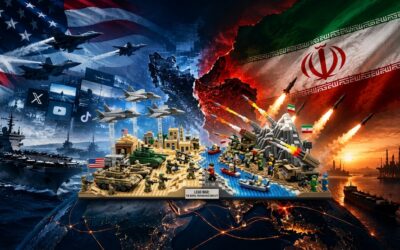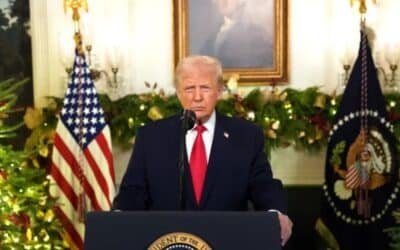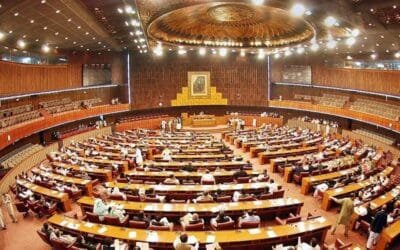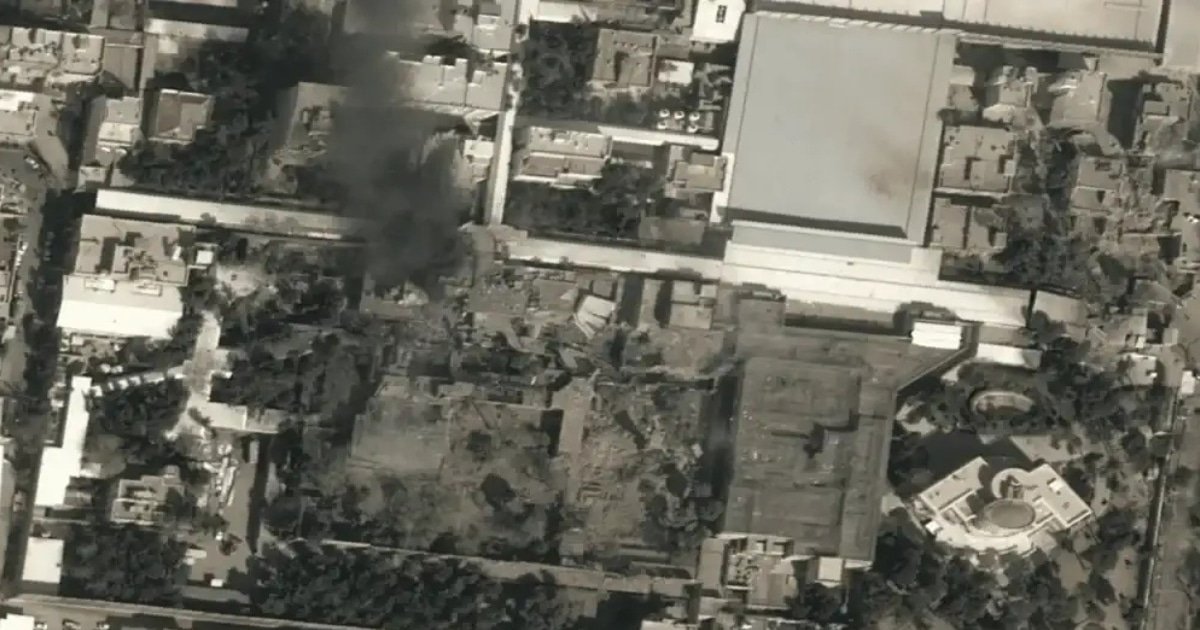





On February 28, 2026, the Middle East plunged into full-scale conflict as the United States and Israel launched a “broad wave” of air strikes against hundreds of targets across Iran. President Donald Trump confirmed the start of “major combat operations,” stating the goal is to eliminate nuclear threats and achieve regime change. Explosions rocked Tehran, Isfahan, and Karaj, with verified footage showing significant damage to the compound of Supreme Leader Ayatollah Ali Khamenei. While Iranian officials claim the leader is alive, the status of several senior regime figures remains unknown following targeted strikes on government assemblies.
Satellite photos capture devastation at the Iranian supreme leader’s residence after US and Israeli strikes – Business Insider https://t.co/k1iPsOZ2vh
— mukeka greetings (@mukekagreetings) February 28, 2026
Iran has responded by launching a massive retaliatory missile barrage targeting Israel and four Gulf nations hosting U.S. bases: Bahrain, Qatar, Kuwait, and the UAE. While many missiles were intercepted by regional air defenses, Bahrain reported a strike on the U.S. Navy 5th Fleet service center, and the UAE confirmed one fatality from falling debris. A near-total internet blackout has hit Iran, making casualty verification difficult, though state media reported a devastating strike on a school in Minab.
You May Like To Read: NFC Standoff: Provinces Reject Cut to 57.5% Revenue Share
The escalation has grounded global aviation, with major airlines including British Airways and Emirates suspending flights to the region. Airspace over Iran, Israel, Jordan, and Iraq is currently closed. President Trump has urged Iranian civilians to “overthrow the clerical establishment,” promising immunity to soldiers who defect. As the USS Gerald R. Ford and other naval assets move into position, the region remains on high alert for a prolonged and unpredictable war.
Check out our latest video: