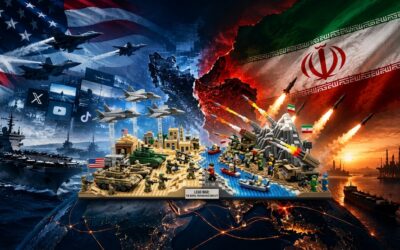
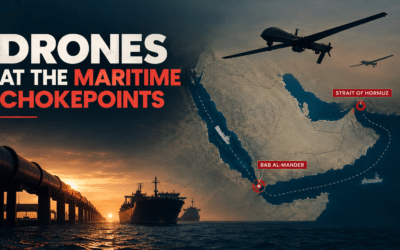
Tensions in the Middle East have once again flared up because US President Trump declared the Strait of Hormuz as “New US Territory.” Trump further stated that the US Navy has total control of the Strait amid a blockade.
However, Iranian Parliament Speaker Mohammed Bagher Ghalibaf firmly rejected the claim. He further noted that the Strait will remain closed unless Washington meets the following demands presented by Iran:
.@mb_ghalibaf : The Strait of Hormuz will not be reopened until the blockade is lifted, frozen assets are released, oil sanctions are removed, military threats and operations on all fronts are ended, and the other terms of the MoU are fully met. pic.twitter.com/A0CEa1Zilh
— IRNA News Agency ☫ (@IrnaEnglish) August 18, 2026
- Complete removal of the naval blockade.
- Reversal of oil sanctions on Iran.
- Unfreezing of Iranian assets.
- Complete adherence to the Islamabad Memorandum of Understanding.
Iranian Foreign Minister Abbas Araghchi also stated that Iran has resisted military pressure in the past and remains determined to do so in the future. Moreover, negotiations with the US would take place on its own terms.
Nothing justifies the reckless attack on PM Barzani’s office. Kurdish friends should be vigilant against false-flag ploys to sow discord between neighbors.
We protected our Kurdish friends against Saddam and DAESH, and we’re thankful for security they’ve provided on our border.
— Seyed Abbas Araghchi (@araghchi) August 17, 2026
The regional stakeholders are navigating the crisis:
- Aramco is using ship-to-ship transfers inside the Strait, from Fujairah, to maintain global supply amid regional volatility.
- Beijing condemned US actions against Iran. Meanwhile, Qatar and Oman have been mediating to resolve the maritime passage issue.
- An unknown projectile targeted a commercial vessel in the Strait, raising safety concerns.
The stalemate between the US and Iran persists. Tensions are expected to rise as Washington has ruled out extending the ceasefire.