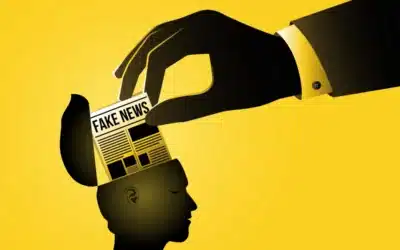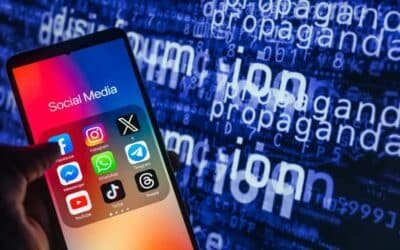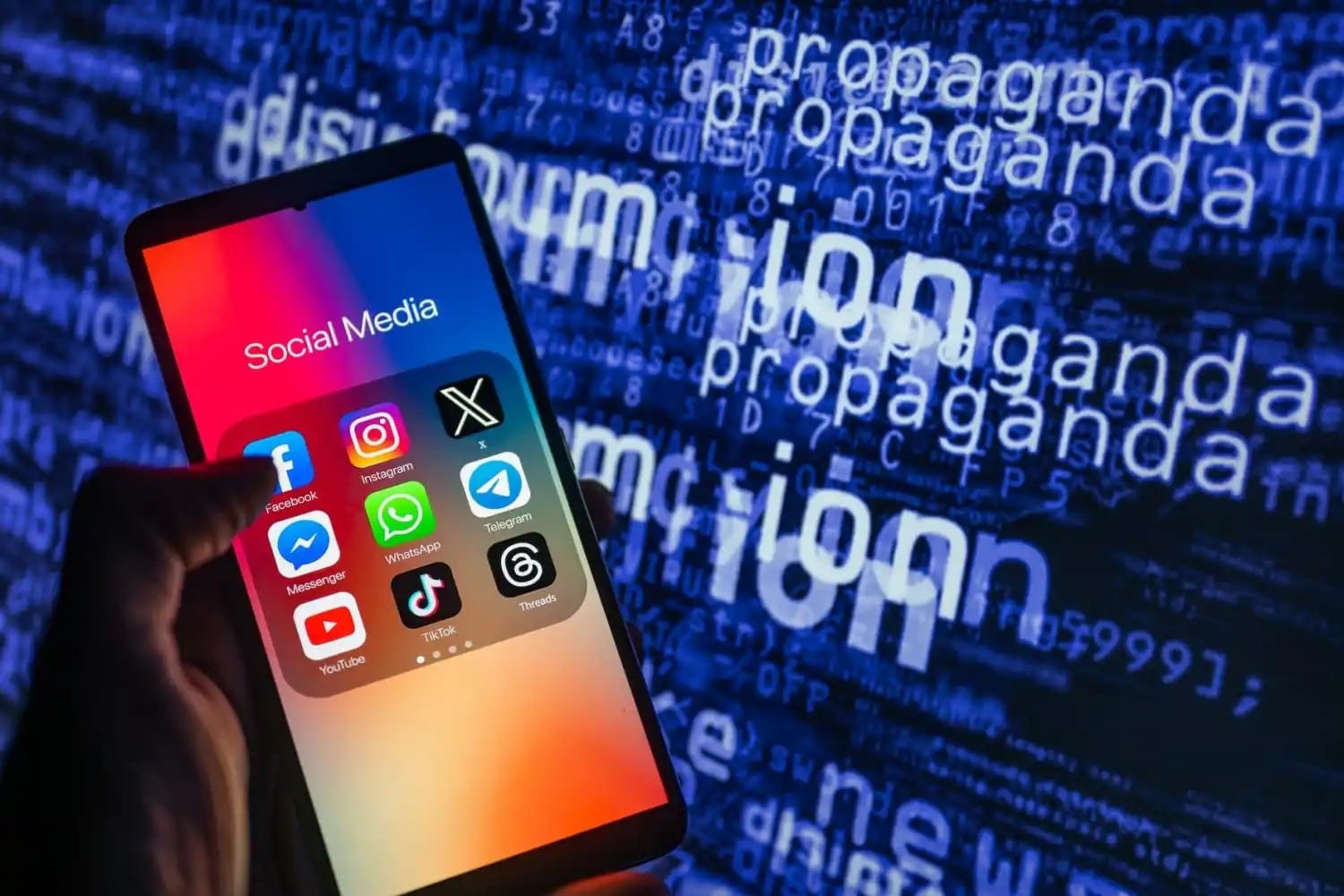





Social media has become a battleground for political influence in Pakistan, with hostile actors, both foreign and domestic. Anti-state actors exploit these platforms to: spread disinformation; deepen the societal divisions; manipulate public opinion; and turn the people against their state and national institutions.
The political parties in Pakistan—particularly Pakistan Tehreek-e-Insaf (PTI) and their rivals—have been accused of leveraging weaponised narratives to undermine opponents, incite unrest, and destabilise the country, only to achieve their political goals and agenda. This article examines how disinformation campaigns are being used to polarise Pakistan’s political landscape.
The Rise of Weaponised Narratives in Pakistan
Weaponised narratives are strategically crafted and disseminate misinformation or propaganda campaigns meant to manipulate public perception, often for political gain. In Pakistan, political parties and their supporters have increasingly used social media to spread false information, doctored videos, and provocative content to discredit opponents and even state institutions to suit their malicious designs.
As per the report by Digital Rights Foundation (DRF), during election cycles and political crises, fake news and manipulated content surge, with the intent to provoke hostility between rival political factions. For instance, during the 2018 general elections, PTI and Pakistan Muslim League-Nawaz (PML-N) supporters engaged in coordinated disinformation campaigns to tarnish each other’s reputations.
PTI’s Social Media Strategy
PTI has been considerably active and effective in using social media to mobilise supporters. Notably, PTI’s online ecosystem has also been a hub for spreading misleading narratives.
Use of Bots and Fake Accounts
A 2021 investigation by EU DisinfoLab revealed that networks of fake accounts and bots were used to amplify pro-PTI content while attacking opposition figures. These accounts often spread conspiracy theories, such as allegations of foreign-funded regime change operations against the PTI’s government in 2022.
Case Study: 2022 No-Confidence Motion
In the backdrop of the No-Confidence Motion of 2022, the political supporters flooded social media with unverified claims. PTI supporters alleged a US-backed conspiracy, while opposition accounts engaged in similar acts of mud-slinging through misleading narratives.
Deepfakes and AI-Generated Videos
In the recent past, an AI-generated fake video and pictures featuring Maryam Nawaz, the current Chief Minister of Punjab, and the President of the UAE, were circulating on social media platforms. The fake videos were widely shared by their political rivals, and the intent was only to malign the CM of Punjab. The suspects responsible for generating and uploading the misleading videos and images were arrested by the Federal Investigation Agency (FIA) with the assistance of their Cyber Crime Wing.
Foreign Actors Exploiting Internal Divisions
External anti-state forces, such as India, capitalise on Pakistan’s political instability by fueling disinformation campaigns to derail the government and weaken national unity. Indian-operated social media accounts actively spread false narratives, especially regarding Balochistan, portraying the state and security forces as oppressors to incite public anger. Fake news about enforced disappearances and human rights abuses is amplified to turn locals against the state. Many Pakistanis, unaware of these orchestrated campaigns, unknowingly share such content, furthering instability.
Similarly, Indian Media have repeatedly been caught fabricating information to falsely mobilise their audiences through sensationalist claims. One such example was the false reporting that Karachi port had been destroyed during the recent conflict between Pakistan and India in 2025. This absurd claim is widely disseminated by mainstream Indian news channels and social media accounts. However, this false claim was quickly debunked. Such deliberate misinformation aims to create unrest and chaos within a country.
Aftermaths of Weaponised Narratives
The dissemination of politically motivated disinformation has severe repercussions. It leads towards;
- Erosion of Trust in Institutions – False narratives weaken public confidence in the media, judiciary, and electoral processes.
- Increased Polarisation – Society becomes more divided, with political opponents viewing each other as enemies rather than rivals.
- Violence and Unrest – Confrontational and inflammatory content has led to street protests and clashes, such as the violent demonstrations and vandalism following the arrest of PTI’s chairman in May 2023.
Combating Disinformation
To counter weaponised narratives, Pakistan needs:
- Stronger Fact-Checking Initiatives.
- Legal Frameworks, enforcing laws against cyber-smearing and dissemination of misinformation.
- Media Literacy Programs to educate the public on how to identify misinformation.
Weaponised narratives on social media are deepening Pakistan’s political divides, with political workers and supporters actively engaging in disinformation campaigns. While political rivalry is natural, the weaponisation of false information threatens national stability. Addressing this issue requires coordinated efforts from the government, civil society, and social media platforms to ensure a more informed and less polarised public discourse.