A Counterfactual History – What Could Have Been
The Historical Context
By the early 20th century, Jews and Muslims had coexisted relatively peacefully for centuries across the Middle East, North Africa, and Central Asia. Jewish communities thrived in cities like Baghdad, Cairo, Aleppo, Istanbul, and Tehran—contributing to trade, science, literature, and governance. Unlike Christian Europe, where Jews faced centuries of pogroms, forced conversions, and racial antisemitism, the Islamic world—despite being shaped by its own power dynamics—offered relative protection and coexistence.
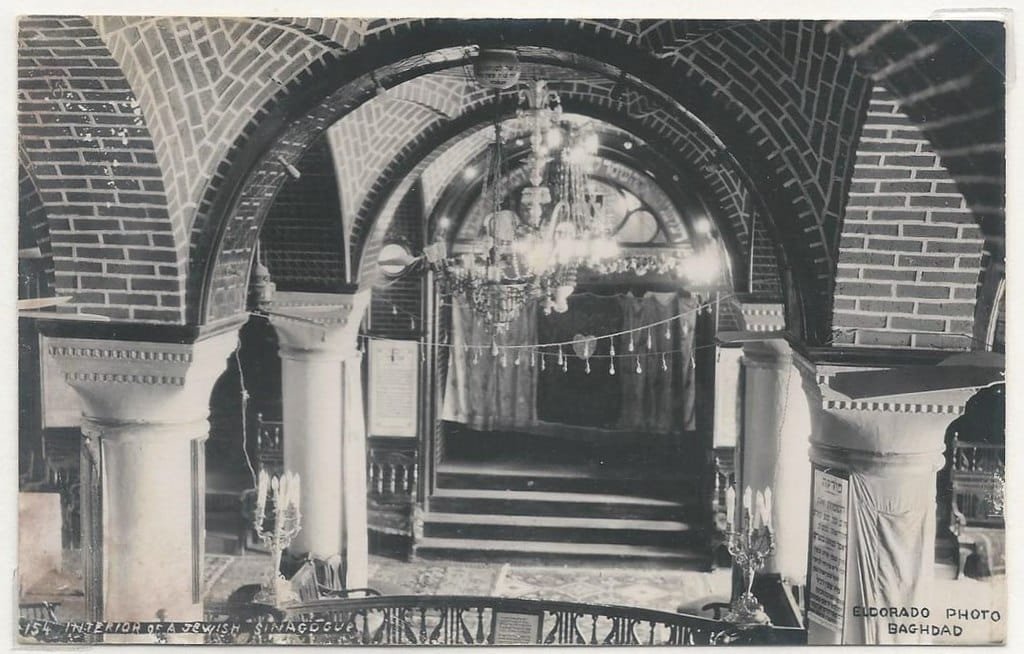
The Great Synagogue of Baghdad, is a former synagogue and Orthodox Jewish congregation, located in Baghdad, Iraq.
Source: Wikipedia
Even in the face of Hitler’s genocidal campaign in Europe, many Jews sought refuge in Muslim-majority lands. The Holocaust, while horrific, was ultimately defeated by the Allied victory in 1945, and its survivors had a range of potential destinations—many of which could have been peaceful, pluralistic, and just.

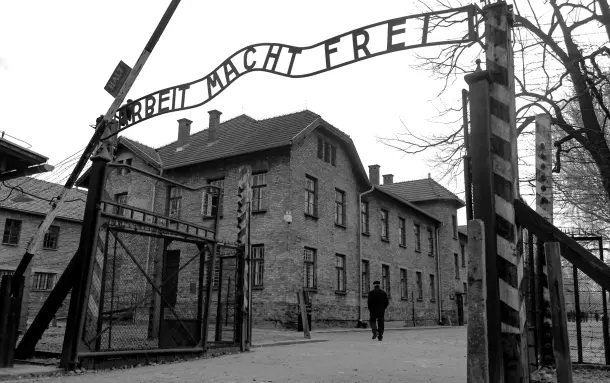
Source: UNESCO
The Balfour Declaration and a Fateful Turn
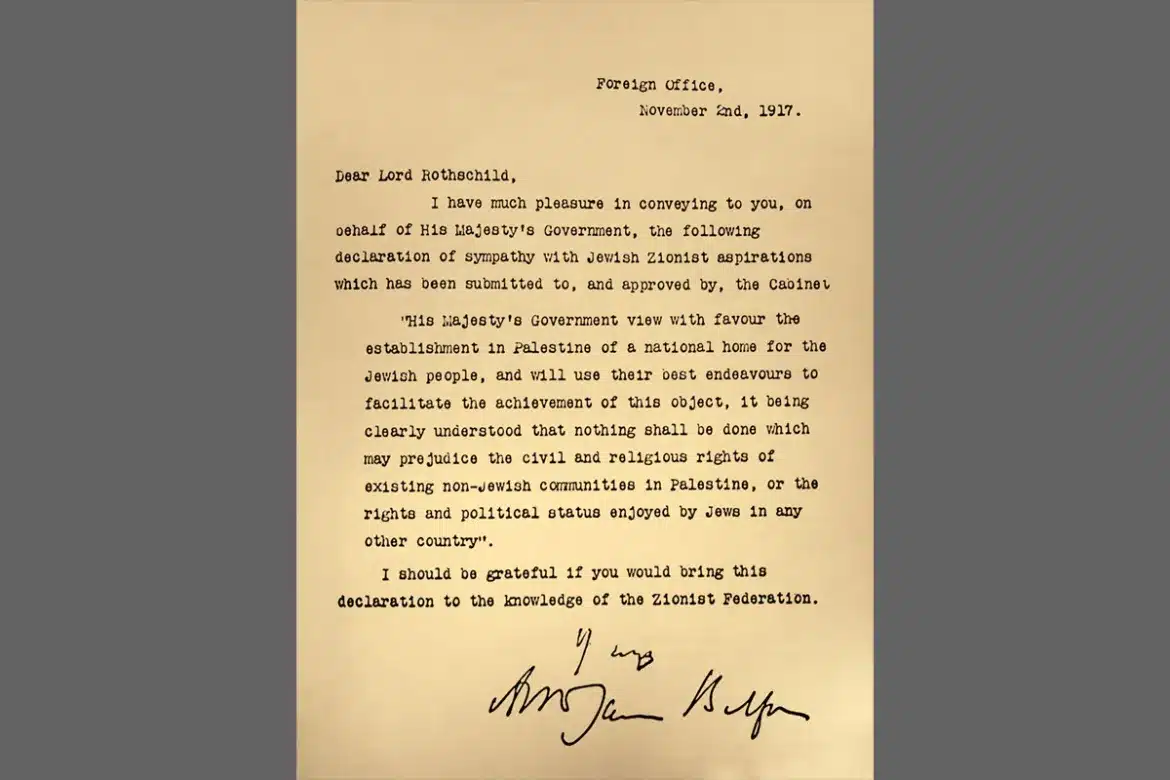
Source: Aljazeera
The pivotal moment came in 1917 when the British Empire, seeking wartime alliances and future influence in the Middle East, issued the Balfour Declaration—promising support for the establishment of a “national home for the Jewish people” in Palestine. This decision, made without the consent of the native Arab population, marked the beginning of a century of conflict.
When the state of Israel was declared in 1948, it was not a peaceful beginning. More than 700,000 Palestinians were forcibly expelled or fled under threat—an event Palestinians call the Nakba, or “catastrophe.” This rupture ignited a seemingly endless cycle of wars, displacement, and occupation, poisoning Jewish-Muslim relations and destabilizing the entire region.
A World Without the Israeli Colonial Project
Let us imagine a different history. One, in which the British, instead of issuing colonial promises, respected the principle of self-determination. One, in which Jewish refugees fleeing Europe were absorbed into a cooperative, pluralistic Middle East—with their safety ensured not through exclusionary nationalism, but through regional solidarity and shared governance.
In this world, Palestine might have developed into a multiethnic democratic entity, where Jews, Muslims, and Christians shared power and land. The Jews who arrived would have been neighbors, not conquerors. There would have been no Nakba, no wall, no occupation. Jerusalem might have remained a city of shared faiths—not of contested sovereignty.
The Jewish people, long global and diasporic, could have preserved and thrived in their cultural identity without being weaponized for a nationalist project. Palestinians, in turn, could have continued living on their ancestral lands, preserving their language, culture, and future.
The Present Realities
From Coexistence to Catastrophe
Instead of that alternate world, we live in one shaped by dispossession, walls, and wars. The creation of Israel on Palestinian land did not end Jewish suffering—it transferred it, in part, onto another people. Millions of Palestinians now live in exile, under occupation, or in apartheid-like conditions. At the same time, Israelis live with real and perceived threats, sustained by militarism and isolation.
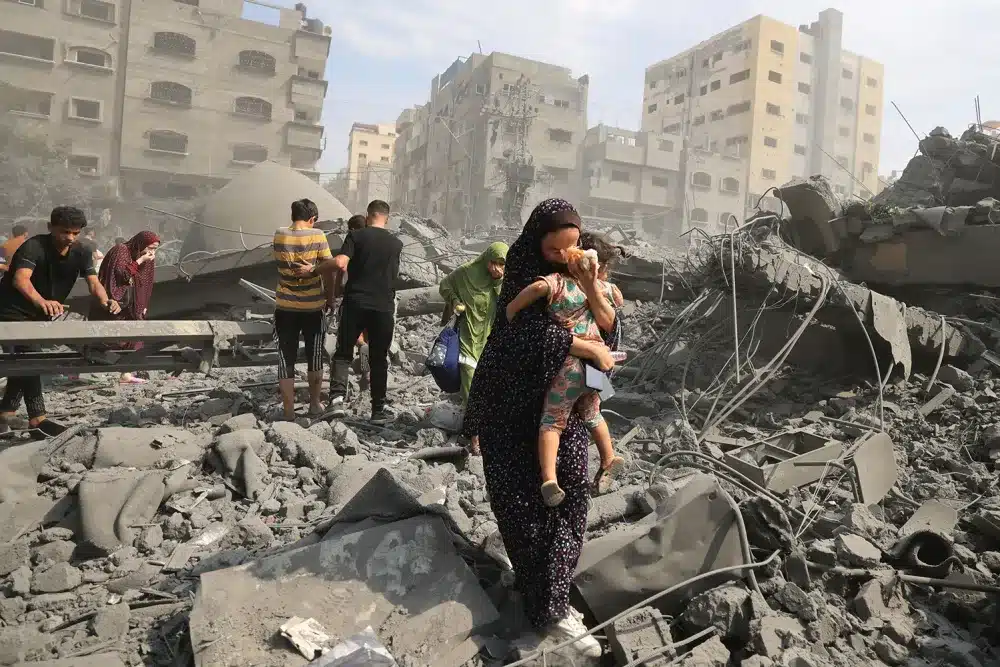
Source: Foreign Policy
The cycle of violence has not brought peace. Instead, it has entrenched fear, trauma, and radicalism across generations. Global efforts to mediate or “manage” the conflict have largely failed—because they continue to deny the core injustice at its heart.
A Just Way Forward
Source: Aljazeera
Truth Before Reconciliation
Peace begins with honesty. The international community—and Israel itself—must acknowledge the foundational injustice of Palestinian displacement and continued statelessness. Recognition of the Nakba must not be taboo, but central to healing. Like South Africa’s Truth and Reconciliation Commission, a process rooted in admission and accountability is the only path to legitimacy.
Equality Over Apartheid
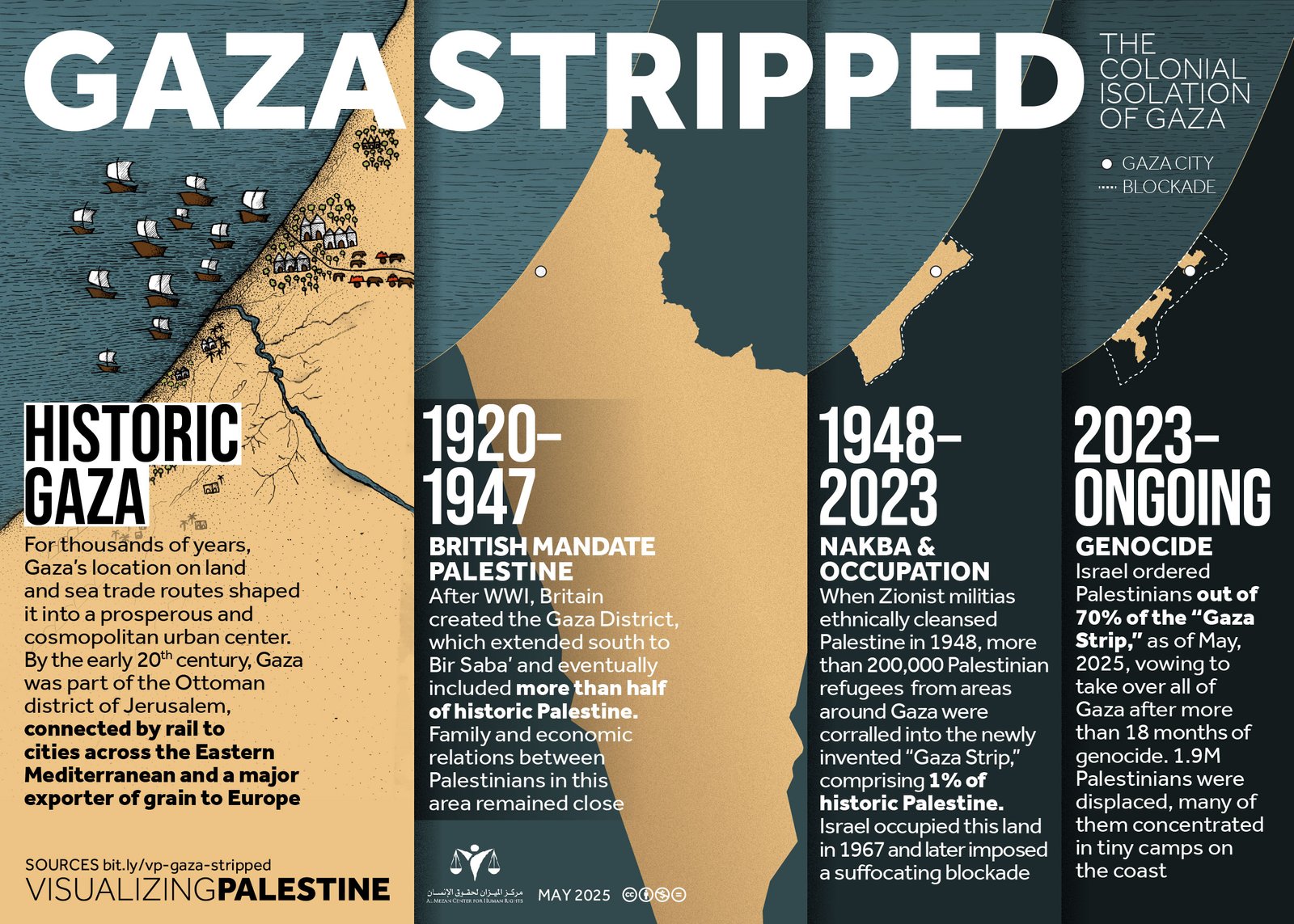
Source: Visualizing Palestine
No lasting peace can be built on supremacy. Whether the solution is one state, two states, or a confederation, it must guarantee equal rights to all—regardless of religion or ethnicity. That means ending military occupation, ensuring freedom of movement, and honoring the right of return for Palestinian refugees in some form.
Restoring Regional Harmony
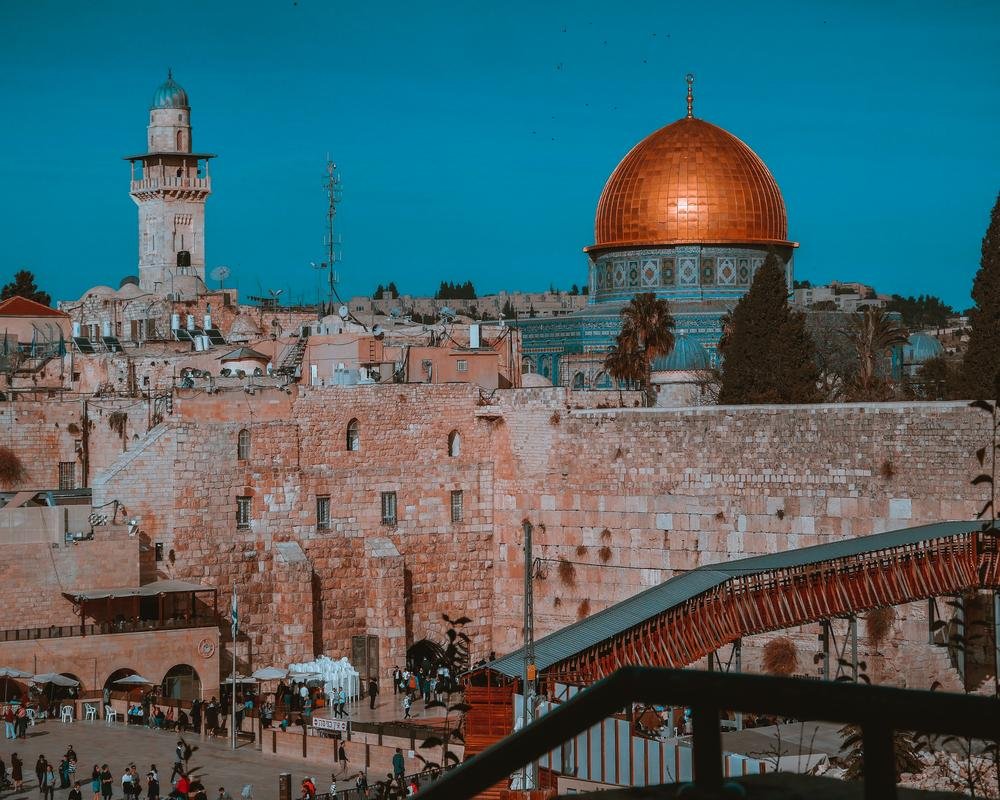
Source: CAABU
History proves that Jews and Muslims are not destined to be enemies. Rebuilding trust requires dismantling propaganda, ending the weaponization of trauma, and initiating cultural diplomacy. The Muslim world must reclaim its historic embrace of Jewish communities—and Jewish people must look beyond Zionism to rediscover a deeper, ethical Judaism rooted in justice, hospitality, and solidarity.
Memory as Compass, Not Chain
The creation of Israel in 1948 marked a turning point—but not an inevitable one. Had different choices been made, the Middle East could have been a region of coexistence and cooperation. That alternate past may be lost, but its principles are not.
The dream of peace is not naive—it is necessary. If we choose truth over denial, equality over supremacy, and solidarity over fear, we may yet build the future that history denied us.
Another world was possible. Another world is still possible. Let us walk toward it—not as enemies, but as equals.