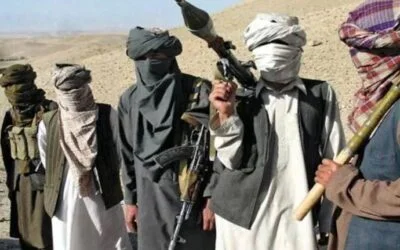



For over a decade, Pakistan has remained at the epicenter of global polio eradication efforts. Despite significant investments, innovative vaccination drives, and collaboration with international partners such as the World Health Organization (WHO), Pakistan is one of only two countries in the world where wild poliovirus remains endemic. A primary driver behind this tragic persistence has been the Tehreek-e-Taliban Pakistan (TTP), or Fitna-al-Khwarij (FAK), whose systematic campaign against polio vaccination has turned a public health challenge into a national security crisis.
This so-called “anti-polio jihad” is not merely the byproduct of misinformation or cultural skepticism but a deliberate ideological strategy by the FAK. Framing vaccination campaigns as “Western conspiracies” and “anti-Islamic plots,” the group has weaponized health initiatives to undermine state authority, terrorize communities, and exploit vulnerable populations—especially children.
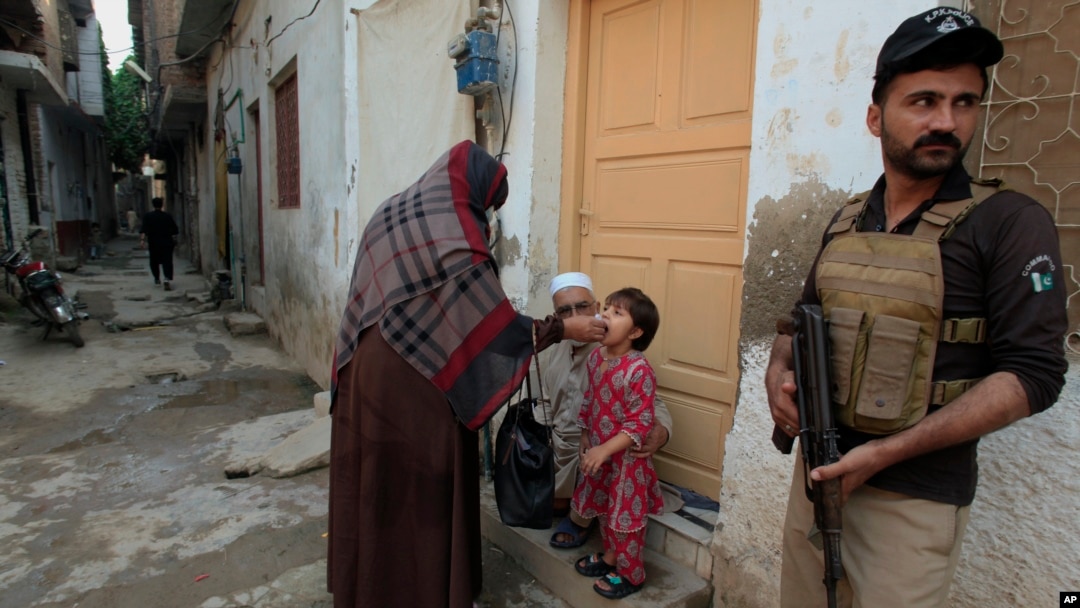
A Manufactured Ideology: Framing Vaccines as Anti-Islamic
The FAK’s opposition to polio vaccination emerged in the late 2000s, coinciding with intensified military operations against the group in Pakistan’s tribal areas. They portrayed vaccination teams as tools of Western espionage and claimed vaccines caused infertility—assertions rejected by every credible medical body worldwide.
These conspiracies gained momentum following revelations that the CIA had used a fake vaccination campaign in Abbottabad in 2011 to gather intelligence on Osama bin Laden. The FAK seized on this narrative to delegitimize genuine health campaigns, insisting that vaccines were a cover for spying or population control.
By branding polio drives as un-Islamic and foreign-engineered, the group not only sought to deny children access to life-saving protection but also asserted its authority over communities where the state struggled to maintain governance.
You May Like To Read: Fitna-al-Hindustan, Beyond Bombings: Deconstructing the Broader Economic Sabotage in Balochistan, Pakistan
Violence Against Health Workers: Weaponizing Fear
Perhaps the most tragic dimension of the FAK’s campaign is its systematic targeting of polio workers. Since 2012, more than 100 polio vaccinators and security personnel escorting them have been killed in targeted attacks. Female health workers—who play a pivotal role in reaching households—have been disproportionately victimized.
By murdering vaccinators, the FAK aimed to instill fear, disrupt vaccination campaigns, and signal to local populations that accepting state services could invite lethal retaliation. This climate of fear has forced the suspension of multiple polio drives, particularly in high-risk districts of Khyber Pakhtunkhwa and Balochistan.
Each disrupted campaign means thousands of children remain unvaccinated, fueling the circulation of poliovirus within already vulnerable communities.
The Human Toll: Children as Primary Victims
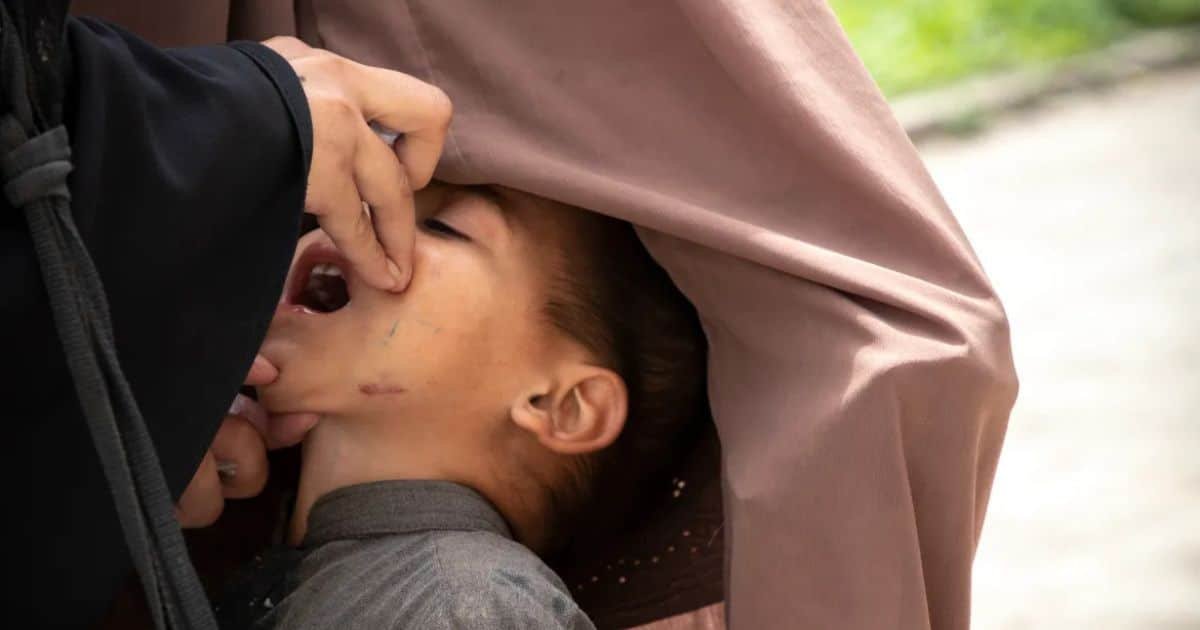
The most devastating consequence of the FAK’s campaign is borne by Pakistan’s children. According to the Global Polio Eradication Initiative (GPEI), Pakistan reported 20 wild poliovirus cases in 2023, a significant setback after years of progress. Most victims are children under the age of five, paralyzed for life by a preventable disease.
In communities where vaccination drives are resisted or disrupted, the virus spreads silently, leaving children either permanently disabled or dependent on already strained healthcare systems. Families often face financial ruin as they struggle with lifelong care costs for paralyzed children, compounding cycles of poverty in regions already destabilized by militancy.
Beyond individual suffering, the resurgence of polio undermines the collective health security of Pakistan and threatens international eradication goals. Each missed child represents a potential outbreak cluster, capable of reversing decades of global progress.
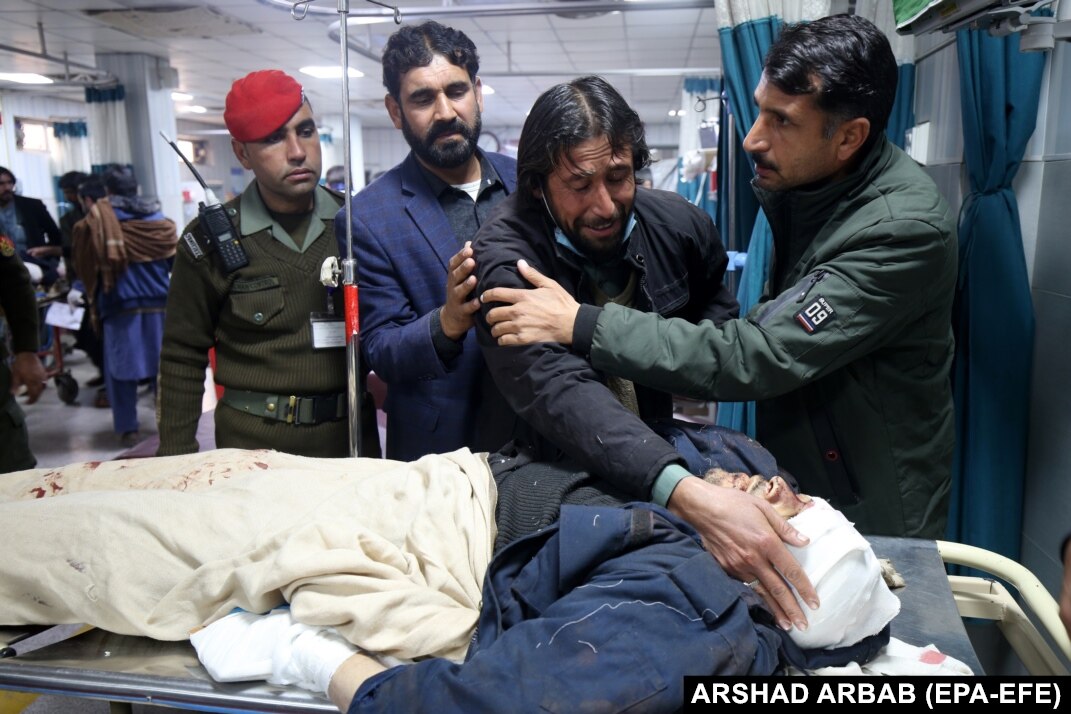
Public Health as a Battleground of Insurgency
The FAK’s “anti-polio jihad” highlights how insurgent groups exploit public health as a domain of asymmetric warfare. By sabotaging vaccination efforts, the group does more than spread disease—it actively undermines the state’s credibility in providing basic services.
For marginalized communities in tribal areas and conflict zones, polio campaigns often represent their most visible interaction with the government. By violently disrupting these campaigns, the FAK signals the impotence of state authority and asserts itself as the dominant power broker.
This strategy also damages Pakistan’s international standing. Donor agencies and global health bodies view persistent polio transmission as both a humanitarian and security concern. With neighboring countries at risk of cross-border transmission, Pakistan faces travel restrictions on unvaccinated citizens, further isolating its population.
Countering the Narrative: The Role of Religious and Community Leaders
Recognizing the ideological dimension of the FAK’s anti-polio stance, Pakistani authorities and NGOs have increasingly engaged religious leaders to counter extremist propaganda. Fatwas from prominent clerics affirming the Islamic permissibility of vaccines have played an important role in dispelling myths.
However, trust-building remains an uphill battle in communities scarred by violence, drone strikes, and displacement. Many families remain skeptical of state-backed initiatives, especially when militant groups continue to threaten reprisals. A durable solution requires not only security protection for polio workers but also broader community engagement and socio-economic development that reduces the influence of insurgent groups.
The Stakes for Global Health Security
The persistence of polio in Pakistan illustrates the dangerous intersection of health and security in fragile states. What should be a purely humanitarian and scientific endeavor—protecting children from paralysis—has been transformed into a theater of ideological contestation.
The stakes extend beyond Pakistan’s borders. So long as poliovirus circulates in any country, it poses a threat to the world. The FAK’s campaign thus represents not only a violation of children’s rights but also a direct challenge to international health security.
The FAK’s war on polio vaccination is more than an ideological aberration—it is a calculated campaign of sabotage with devastating human consequences. By framing vaccines as a foreign conspiracy, murdering health workers, and terrorizing communities, the group has condemned thousands of Pakistani children to unnecessary suffering and prolonged the country’s struggle against a disease the world is close to eradicating.
Defeating this so-called “anti-polio jihad” requires a multi-pronged approach: enhanced protection for health workers, community engagement led by trusted local voices, and sustained international support for Pakistan’s eradication efforts. Ultimately, safeguarding children’s right to health is not only a moral imperative but a strategic necessity—both for Pakistan’s stability and for the world’s health security.
You May Like To Read: The “Lost Generation”: Analyzing the Long-Term Social, and Psychological Trauma Inflicted by FAK’s Violence on Pakistan’s Youth