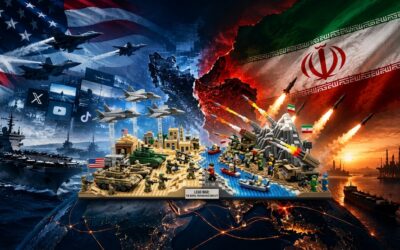
China on Thursday urged an immediate ceasefire in the ongoing Middle East conflict and pushed back against US President Donald Trump’s latest threats of heavy strikes on Iran, saying military escalation will not solve the crisis.
Speaking at a regular press briefing, Chinese Foreign Ministry spokesperson Mao Ning stated that “military means cannot fundamentally solve the problem, and the escalation of conflicts is not in the interests of either side.” She called on all parties to “immediately cease military operations” and return to dialogue and negotiations.
The remarks come one day after Trump, in his prime-time address, warned that the US would continue striking Iran “extremely hard” over the next two to three weeks if no deal is reached, while claiming the war is nearing its end. Trump also repeated his call for countries reliant on Gulf oil to militarily secure the Strait of Hormuz themselves.
China directly challenged that position, blaming the United States and Israel for the current disruption in the vital waterway.
“The root cause of interruptions to navigation through the Strait of Hormuz is the United States and Israel’s illegal military operations against Iran,” Mao Ning said. She added that only by ending the military actions and restoring peace in the Gulf can international shipping resume safely.
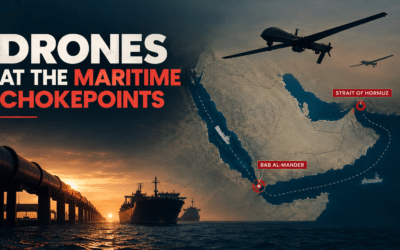
The Strait of Hormuz carries roughly one-fifth of global oil and liquefied natural gas supplies. Its effective closure by Iran in response to US-Israeli strikes has contributed to rising energy prices worldwide, including higher gasoline costs in the United States.
Mao Ning, a spokesperson of the Chinese foreign ministry, has urged all parties involved in the war on Iran to stop military operations after US President Donald Trump threatened heavy strikes on the Islamic republic in the coming weeks.
🔗: https://t.co/JfE4SXMxwD pic.twitter.com/rkMdWJD5Kf
— Al Jazeera English (@AJEnglish) April 2, 2026
Beijing Pushes for Diplomacy Over Force
China has consistently advocated for de-escalation since the conflict began on February 28. Mao Ning stressed that an early ceasefire and the restoration of stability in the Strait of Hormuz and surrounding waters is what the international community hopes to see.
She warned that further escalation would cause even worse humanitarian disasters and greater damage to the global economy and energy security.
China, a major importer of Iranian and Gulf oil, has been affected by the disruptions but has so far avoided direct military involvement, focusing instead on diplomatic appeals for peace talks.
Growing International Divide
The Chinese statement highlights the widening gap between Washington and other major powers. While Trump has criticized NATO allies and urged them to take a more active role in reopening the strait by force, countries like France have already called such ideas “unrealistic.”
As the war enters its fifth week with thousands killed, mounting civilian casualties reported, and public support waning in the US, pressure is increasing on all sides to find a way out of the conflict.
Beijing’s latest call adds to the growing international chorus for restraint, even as Trump maintains that the US holds “all the cards” and the fighting will wrap up soon.
Markets and energy traders will be closely watching whether diplomatic efforts gain traction or if the threat of further strikes leads to more volatility in global oil prices.