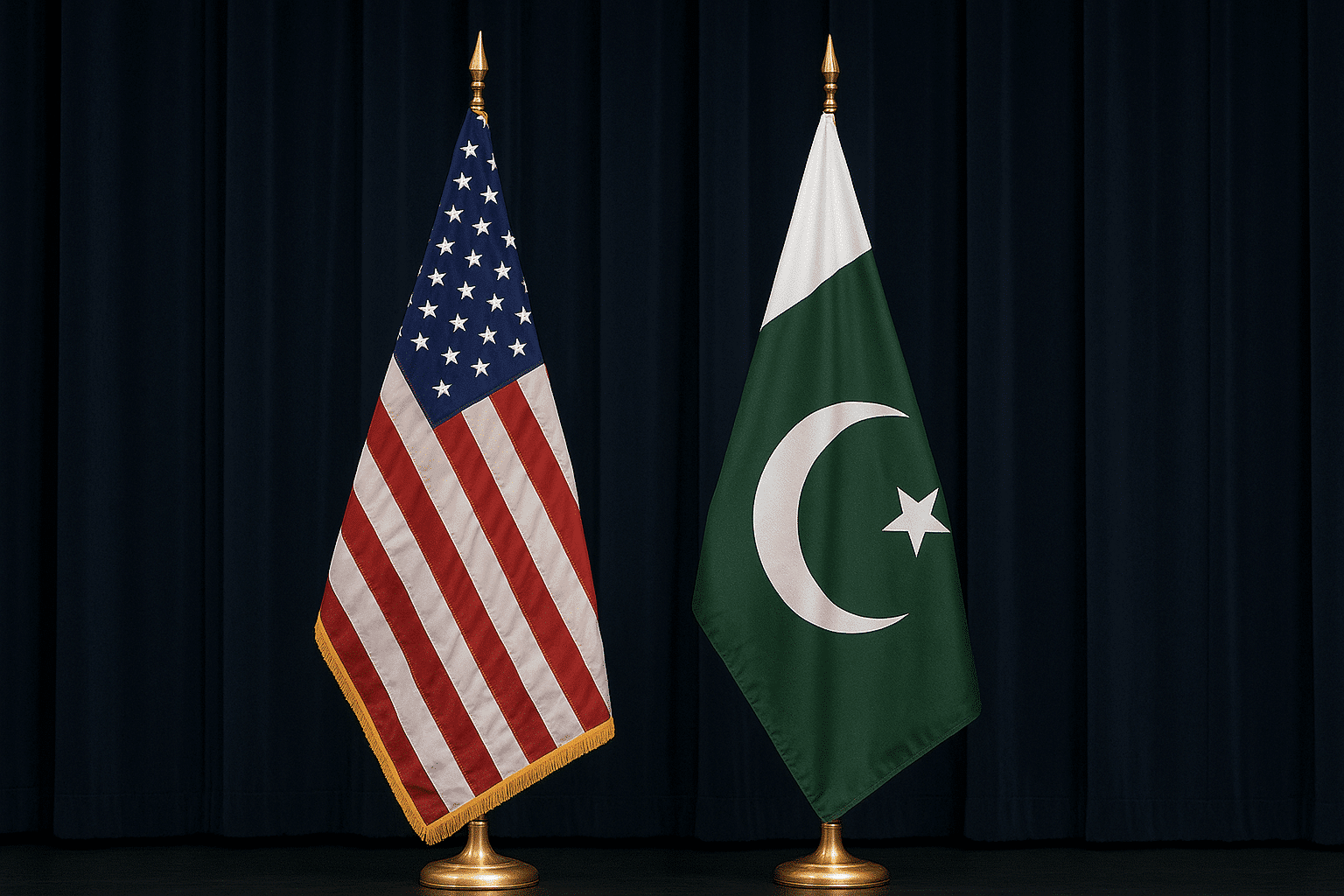





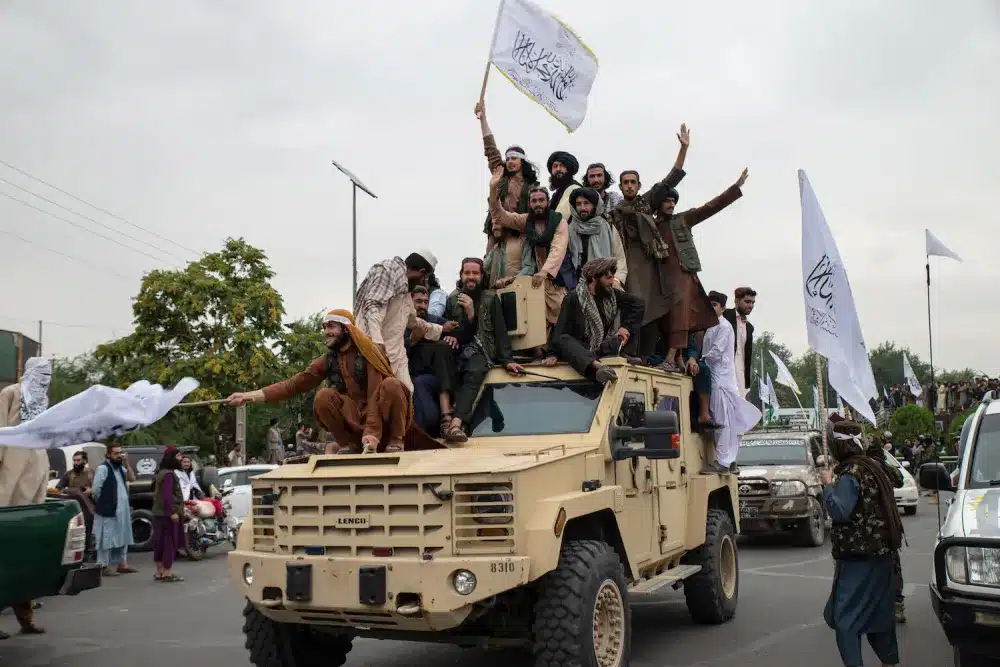
Since the fall of Kabul in August 2021 and the subsequent return of the Afghan Taliban to power, Pakistan’s longstanding strategic partnership with the United States has undergone a marked decline. Once central to Washington’s regional calculus during the War on Terror, Islamabad now finds itself relegated to the periphery of American foreign policy priorities. With shifting global alignments, the rise of Indo-Pacific frameworks, and evolving security doctrines, Pakistan faces the urgent need to redefine and reassert its “strategic value” if it hopes to regain meaningful traction in Washington.
Source: Foreignpolicy
The Afghanistan Factor: End of the Tactical Convergence
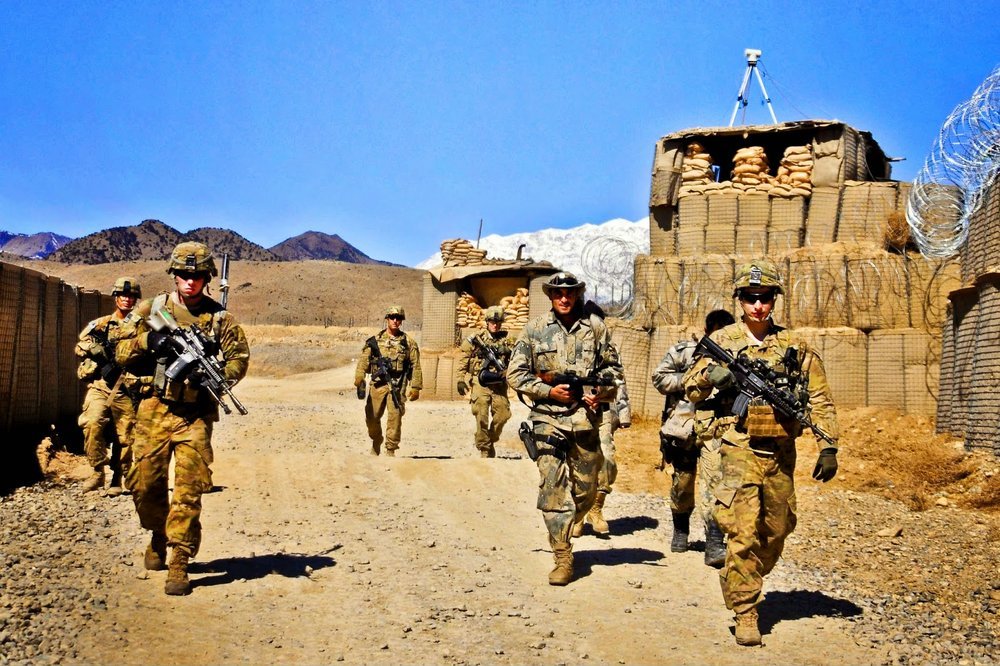
For over two decades, Pakistan–US ties were shaped predominantly by the Afghan theatre. Islamabad’s geographical proximity, logistical facilitation for NATO forces, and influence over various Afghan factions positioned it as an indispensable, if often uneasy, partner. However, the abrupt American withdrawal and the Taliban’s return to power effectively dismantled the tactical interdependence that had defined the bilateral relationship.
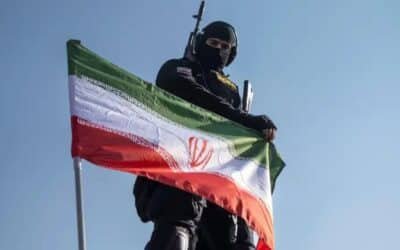
Source: Tehran Times
Post-2021, Washington’s frustration with Pakistan’s perceived duplicity—simultaneously hosting the Taliban leadership while supporting counter-terrorism operations—has resurfaced with renewed vigour. American officials have publicly voiced concerns over Pakistan’s continued tolerance of sanctuaries used by groups like Fitna al-Khwarij (FAK) , as well as its ambiguous stance on the Taliban regime’s conduct.
With Afghanistan no longer a central theatre for U.S. military operations, Pakistan’s strategic geography alone no longer guarantees its relevance in Washington’s evolving foreign policy framework.
India-Centric Pivot and the Indo-Pacific Strategy
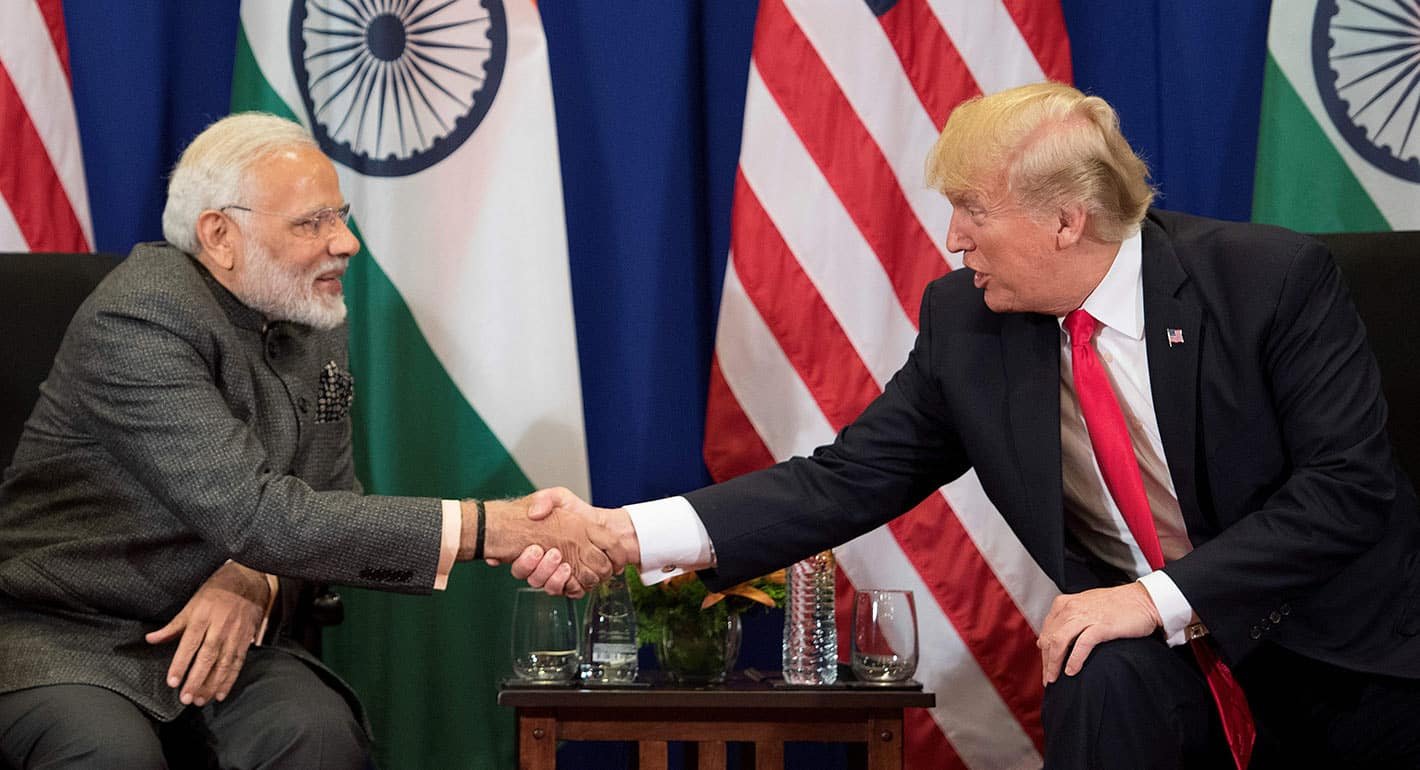
A key dimension of the partnership is the United States’ growing alignment with India under the Indo-Pacific strategy. Driven by concerns over China’s rise, Washington has significantly deepened its defence and technological ties with New Delhi—ranging from arms cooperation and intelligence sharing to joint naval exercises in the Indian Ocean.
In this context, Pakistan is often viewed through the lens of regional instability and nuclear risk, rather than as a potential partner. Despite Islamabad’s calls for strategic balance, the United States’ vision of a rules-based Indo-Pacific order appears to exclude Pakistan from meaningful integration. Furthermore, Pakistan’s close ties with Beijing—its primary strategic competitor—have amplified perceptions of a growing geopolitical divergence.
Transactionalism Without Trust
Despite the apparent cooling of relations, cooperation has not entirely ceased. The U.S. continues to engage Pakistan on limited fronts, including:
- Counter-terrorism intelligence sharing (particularly on threats linked to IS-K and Al-Qaeda remnants).
- Climate and energy dialogues under the U.S.-Pakistan Green Alliance Framework.
- Humanitarian access to Afghanistan via Pakistani routes and air corridors.
However, these interactions remain transactional and issue-specific, lacking the broader strategic coherence that once defined bilateral ties. Notably, military-to-military contact has waned, and defence sales have slowed, with minimal high-level diplomatic engagement from the U.S. side.
The U.S. Congressional hearings in 2023 and 2024 further underscored the trust deficit, with Pakistan repeatedly mentioned in the context of human rights abuses, media censorship, and democratic backsliding.
Pakistan’s Dilemma: Strategic Drift and Economic Crisis
For Pakistan, the erosion of its partnership with Washington comes at a time of deepening domestic and economic turmoil. Amid ongoing IMF negotiations, dwindling foreign reserves, and rising security threats, Pakistan desperately needs diversified external partnerships. While China, the Gulf states, and Russia have offered support, none match the economic leverage, diplomatic reach, or technological clout of the United States.
Pakistan’s dilemma lies in its limited ability to offer something uniquely strategic that aligns with Washington’s present-day interests. The traditional security-centric value proposition no longer suffices, and Islamabad has struggled to reposition itself as a relevant actor in broader domains such as trade, technology, or climate diplomacy.
Reclaiming Strategic Value: Possible Avenues
To regain meaningful attention from Washington, Pakistan will need to recalibrate its external posture and demonstrate a renewed sense of strategic value grounded in 21st-century imperatives:
1. Counter-Terrorism with Regional Scope
Pakistan can reposition itself as a stabilising force in Central and South Asia, especially if it can curtail FAK elements and facilitate regional intelligence sharing. Genuine, verifiable crackdowns on cross-border militancy could open doors for renewed security cooperation.
2. Connectivity and Transit Diplomacy
With Washington’s push for regional economic integration (via IMEC and other platforms), Pakistan could present itself as a gateway to Central Asia, provided it improves its infrastructure, customs facilitation, and relations with Afghanistan.
3. Climate Security and Energy Transition
As a frontline state facing climate-induced crises, Pakistan can offer collaboration opportunities on water management, renewable energy, and disaster preparedness—issues where the U.S. seeks global partners.
4. Tech Governance and Cybersecurity
With the rise of AI regulation, data governance, and cyber threats, Islamabad’s recent digital reforms (e.g. creation of SMPRA and NCCIA) could be leveraged for partnerships with U.S. institutions, provided privacy and human rights safeguards are strengthened.
From Peripheral Ally to Strategic Participant?
The decline in Pakistan–U.S. strategic intimacy is not merely a diplomatic lapse but a structural shift driven by changing global priorities. Islamabad must now move beyond Cold War-era paradigms of relevance and embrace a broader, multidimensional strategy to reinsert itself into America’s long-term vision.
Reclaiming strategic value will require not just policy innovation but political will, domestic reform, and credible signalling. Whether Pakistan emerges as a meaningful participant in a reconfigured global order—or remains a peripheral actor—will depend on its ability to offer more than geography: it must offer reliability, responsibility, and relevance.