


The spiraling conflict in the Middle East has entered a dangerous new phase following a dramatic announcement by Yemen’s Houthi rebels, who have declared an immediate, comprehensive maritime embargo against Saudi Arabia.
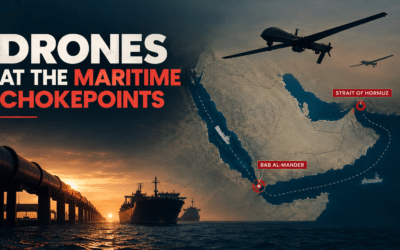
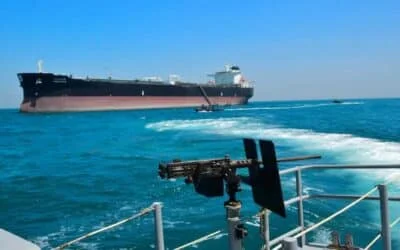
The move directly targets the top oil exporter’s critical Red Sea shipping corridors—specifically the primary crude export hub at Yanbu—threatening Riyadh’s capacity to bypass the Iranian-led lockdown of the Strait of Hormuz. The blockade declaration coincides with explicit statements from Iranian President Masoud Pezeshkian confirming that the Islamic Republic is now actively engaged in a “full-scale war” with the United States as military exchanges expand across the broader Gulf region.
Yemen’s Houthis said they will impose a maritime blockade on Saudi Arabia, threatening Red Sea oil shipments as global energy flows are already restricted by Iran’s closure of the Strait of Hormuz https://t.co/gcwwZhBk3C pic.twitter.com/MxdozcGgsO
— Reuters (@Reuters) July 20, 2026
Expanding the Naval Crisis: The Two-Chokepoint Threat
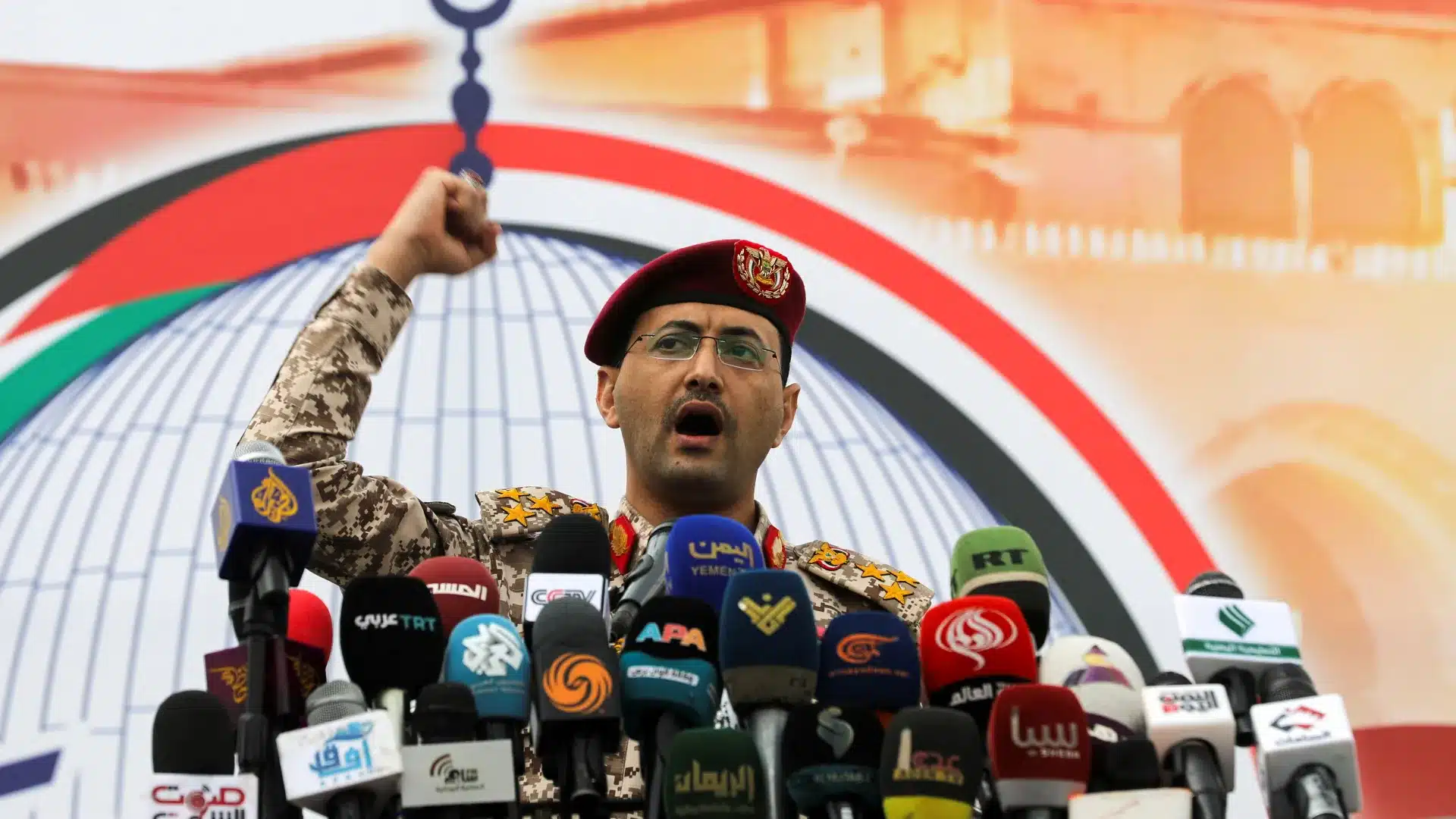
The declaration of the Saudi embargo was delivered by Houthi military spokesman Yahya Saree, who framed the naval action as an immediate, reciprocal policy of “an eye for an eye.” While the group did not detail the specific tactical assets it intends to employ to enforce the blockade, the announcement follows a sudden breakdown in the fragile 2022 Saudi-Houthi truce after the two sides exchanged active cross-border fire last week—a confrontation triggered when an Iranian aircraft attempted an unauthorized landing in Sanaa.
The double threat of simultaneous blockades in both the Persian Gulf and the Red Sea has sent shockwaves through international markets and diplomatic circles:
-
The Strait of Hormuz Crisis: Tehran’s active naval cordon restricts crude oil and liquefied natural gas (LNG) exports originating from Gulf producers, removing access to a corridor that historically handled twenty percent of global oil supplies.
-
The Bab al-Mandeb Crisis: A enforced Houthi blockade along Yemen’s Red Sea coastline threatens to paralyze the primary maritime trade bridge connecting Asia, the Gulf, and European markets, effectively forcing global shipping traffic into lengthy detours around the African continent.
-
The Strategic Economic Threat to Riyadh: Saudi Arabia produces over 10 million barrels of crude per day. With Hormuz effectively sealed, the kingdom had relied heavily on its western Red Sea port of Yanbu to route oil exports, a strategy now placed in direct jeopardy.
Commenting on the escalating naval friction, Stéphane Dujarric, spokesman for the UN Secretary-General, warned that the new Houthi threats risk igniting an even wider regional catastrophe, while international energy analysts note that a dual-chokepoint crisis would produce an unprecedented supply shock to the global economy.
Inland Strikes and Escalating Combat Deaths
The declaration arrives as the United States military completed its ninth consecutive night of air and naval strikes across Iran. US Central Command (CENTCOM) confirmed the deployment of standoff munitions targeting coastal defense sites, air defense nodes, and logistics hubs across central and northern Iranian provinces.
For the first time since the resurgence of open hostilities following the collapse of the June peace framework, US projectiles hit target zones deep inside the country, including East Azerbaijan province and the coastal city of Bushehr, home to Iran’s sole operational civilian nuclear power plant. While local authorities reported that critical infrastructure remains monitored, the strikes resulted in civilian and military casualties, with Iran’s Health Ministry reporting over 50 dead and more than 500 injured in recent days.
US Military Operational Tracking (CENTCOM Update):
*   Nine Consecutive Operational Strike Waves Completed
*   New US Military Fatalities Confirmed: Three service members killed, one MIA
    *   Two service members killed during Iranian drone/missile salvos in Jordan
    *   One service member killed in northern Iraq during EOD disposal operations
*   Cumulative US Military Fatalities Since Crisis Initiation: 17 confirmed killed
Addressing the nation, President Donald Trump stated that US strikes “hit them very hard” to honor the fallen service members, while US Secretary of State Marco Rubio reaffirmed that Washington would continue to push for burden-sharing among allies to protect global shipping lines while attempting to keep open diplomatic options.
Regional Retaliation Spreads Across Six Nations
In response to deep-penetration U.S. airstrikes, the Islamic Revolutionary Guard Corps (IRGC) launched targeted counter-offensives against American military facilities and host-nation infrastructure scattered across neighboring states:
-
Jordan: IRGC units launched a salvo of ballistic missiles aimed at U.S. military aircraft stationed at Aqaba Airport, reporting significant structural damage to flight lines.
-
Kuwait & Bahrain: Iranian forces targeted early-warning radar arrays and military supply depots in Kuwait, prompting Kuwaiti air defenses to engage multiple hostile drone swarms. In Bahrain, state authorities activated air raid sirens across the kingdom as naval tracking systems came under electronic and physical attack.
-
Syria: The IRGC executed a surprise strike targeting an American special operations command center in the Al-Tanf region, despite earlier U.S. troop realignments in the zone.
Despite the intense military exchanges, Iranian Foreign Ministry spokesman Esmaeil Baqaei confirmed during a press conference in Tehran that indirect diplomatic exchanges via third-party mediators remain active. However, Baqaei made it clear that Tehran will not permit the Strait of Hormuz to be utilized by foreign forces to threaten its national sovereignty, guaranteeing that the maritime showdown will continue until a comprehensive framework is achieved.