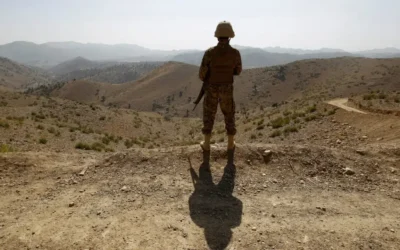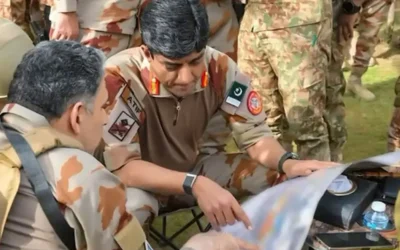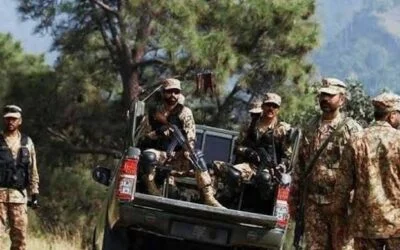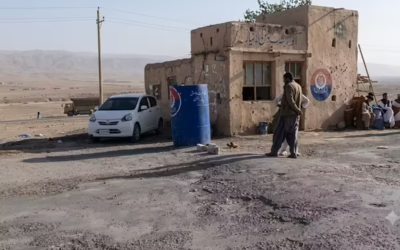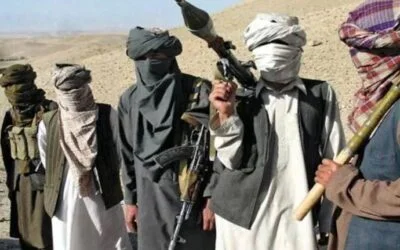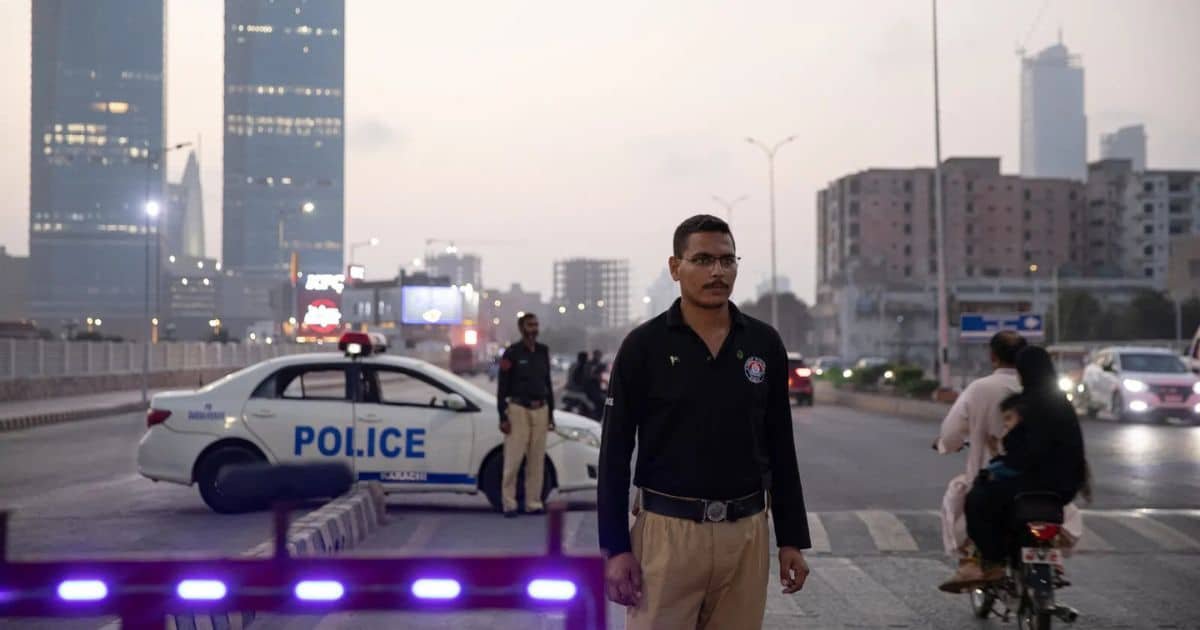



From the streets and financial centers of Karachi to the rough frontiers of Pakistan’s borderlands, a complex symbiosis links urban organized crime syndicates with rural insurgent groups such as the Fitna-al-Khawarij(FAK). This city-to-periphery dynamic not only funds and sustains violent militancy but has grown into a formidable challenge for both military and civilian law enforcement in Pakistan. At its core, the relationship leverages the economic, logistical, and human resources of bustling urban centers to support rural insurgency, thereby blurring the lines between criminality and terrorism, and amplifying the threat to Pakistan’s internal security. The interconnectedness means that crimes like extortion, drug trafficking, and land grabbing in Karachi often serve as life-blood for far-off insurgent strongholds, which, in turn, provide muscle, intimidation services, and illicit supply chains for syndicates.
Urban Crime as an Economic Engine for Insurgency
Karachi, Pakistan’s commercial hub, has long been dominated by powerful mafias involved in extortion, drug trafficking, land grabbing, and targeted killings. Over time, these criminal groups have cultivated covert links with rural-based insurgents, most notably the Fitna-al-Khawarij (FAK). Research and intelligence reports suggest that significant portions of the proceeds from urban rackets, ranging from protection money extorted from markets, construction, and transport sectors, are routinely funneled to militant outfits such as the FAK and Lashkar-e-Jhangvi. The roots of this nexus trace back to the late 1970s, when the Afghan war transformed Karachi into a pivotal transit hub for heroin exports. This period also saw an influx of arms and narcotics, fueling immense profits for the city’s underworld and laying the foundations for its modern criminal networks. By the mid-2000s, gangs based in strongholds like Lyari were collaborating not only with political figures but also with militants, providing safe houses, vehicles, and logistical support for terrorist activities. Estimates place Karachi’s underworld earnings in the billions of rupees annually, and even a small percentage diverted to insurgent groups provides substantial financing for rural militancy. In addition, FAK cells in Karachi operate their own “protection” schemes, often framed as charity or religious taxes, funneling the collected funds to operational bases in Khyber Pakhtunkhwa and Afghanistan.
You May Like To Read: The Resurgence of Islamic State Khorasan: A Dispersed but Highly Adaptive Global Threat
Logistical Nexus: Human and Resource Mobility
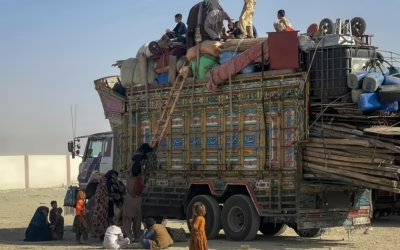
This symbiotic relationship is not limited to finances, as urban crime syndicates and rural insurgent groups mutually benefit from shared networks of resource movement and personnel. Karachi provides anonymity, infrastructure, and a labor reserve, while the borderlands offer training, arms access, and operational “outsourcing.” Militants are known to migrate from the tribal areas to Karachi to escape military offensives, often blending in to find sanctuary with criminal syndicates or even posing as informal laborers. Weapons and explosives smuggled through Karachi’s docks are transported to insurgent units operating in Balochistan, FATA, and Khyber Pakhtunkhwa, while criminals in the city receive rural-sourced narcotics and smuggled goods for onward distribution. Arrests and investigations repeatedly reveal that FAK and affiliated groups have recourse to urban medical care, document forgery, and recruitment facilities provided by crime networks. The practical upshot is a two-way pipeline: Karachi’s criminal enterprises power rural terror, and insurgents reinforce criminal capabilities in the metropolis.
Law Enforcement, and Security Dilemmas
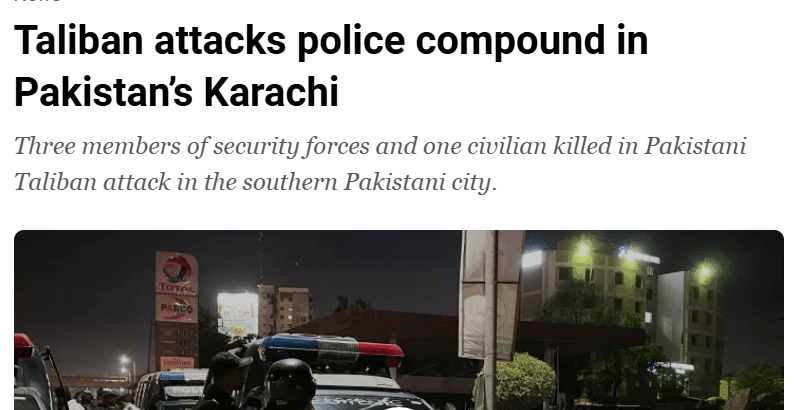
Challenges that have repeatedly undermined state responses highlight the complexity of Karachi’s security landscape. Civilian police in the city often lack both the firepower and the intelligence-gathering capacity needed to confront militants who skillfully disguise themselves as ordinary criminals. At the same time, military operations in the borderlands risk losing long-term effectiveness if urban revenue streams and logistical pipelines remain intact, feeding insurgent groups despite rural crackdowns. Efforts to dismantle Karachi’s networks frequently result in displacement rather than elimination, pushing criminal syndicates further underground or driving them outward to forge new ties with rural militants. Coordination gaps between local police, federal agencies, and military intelligence continue to produce dangerous blind spots, enabling criminal-insurgent nexuses to exploit jurisdictional divides with relative ease. Compounding these issues is the widespread use of intimidation and targeted killings by such alliances, tactics that have instilled fear among witnesses, journalists, and even public officials. This culture of fear severely undermines cooperation with law enforcement while steadily eroding the rule of law, leaving the state struggling to decisively dismantle the entrenched nexus between Karachi’s underworld and rural insurgents.
Conclusion: Toward a National Approach
The symbiosis between Karachi’s crime networks and borderland insurgency represents one of Pakistan’s gravest security dilemmas. It is not merely a sum of urban insecurity or rural militancy, but a fusion wherein the criminal and the political, the economic and the violent, are inseparably joined. To confront this, Pakistan’s security response must evolve beyond episodic raids or piecemeal reforms. The solution demands a holistic strategy: targeting financial and narcotic trails, synchronizing urban and rural policing, and investing in socioeconomic alternatives both in the city and the periphery. Without disrupting the logistical and financial lifelines connecting Karachi to the insurgency’s heartlands, lasting stability will remain elusive
You May Like To Read: The Legal Labyrinth: How Overlapping, and Conflicting Counter-Terrorism Laws Hamper Effective Justice