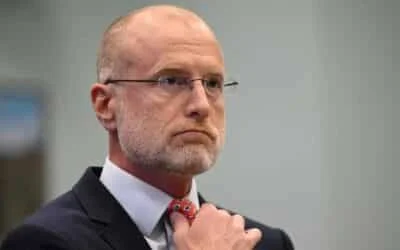
Israel’s direct influence over White House decision-making has experienced a sharp decline under US President Donald Trump, former Israeli Ambassador to the United States Mike Herzog warned in a radio interview on Thursday.
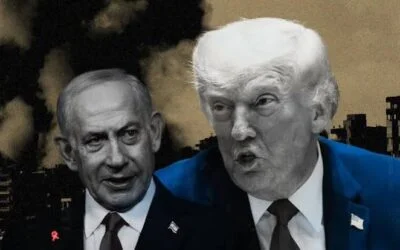
Speaking to Israeli station 103FM, Herzog highlighted growing friction between Israeli Prime Minister Benjamin Netanyahu and President Trump, cautioning that structural shifts, demographic changes, and key diplomatic mistakes have weakened Tel Aviv’s long-standing leverage in Washington.
🔴 Former Israeli Ambassador to US Mike Herzog says Israel’s influence in Washington has ‘sharply declined’ under Trump
➡️ Herzog says relationship between Israeli Prime Minister Benjamin Netanyahu and US President Donald Trump has lost some of its previous closeness
➡️ Former… pic.twitter.com/103yOHkS5U
— Anadolu English (@anadoluagency) July 31, 2026
Intimacy Broken: Unpacking the Netanyahu-Trump Dynamic
Despite Prime Minister Netanyahu characterizing a recent meeting with President Trump as one of their “best meetings ever,” Herzog urged a far more sober, realistic assessment:
-
Absence of One-on-One Engagement: Herzog pointed out that the meeting was crowded, brief, and notably lacked the private, high-intimacy setting typical of high-stakes presidential consultations.
-
Low-Profile Protocol Signals: Key diplomatic cues—such as Netanyahu arriving through a side entrance and minimal media fanfare—indicated a deliberate effort by the White House to maintain a low profile and avoid displays of close personal association.
-
Political Objectives at Home: The main victory for Netanyahu was simply avoiding public criticism or direct demands from Trump ahead of upcoming Israeli elections.
-
Diverging Priorities on Iran: While both nations agree on the regional threat posed by Iran, Trump is eager to avoid being seen as having been dragged into an unpopular conflict by Netanyahu or locked into an “endless war” doctrine.
Catalysts Behind the Shift in US-Israel Relations
Herzog outlined several factors driving the broader, non-temporary erosion of Israel’s standing across the American political landscape:
Key Drivers of Declining Leverage:
- Iran War Backlash: Domestic U.S. unpopularity over escalating conflict with Iran
- Diplomatic Oversights: Historic friction from bypassing the White House to address Congress
- Public Opinion Shifts: Declining favorability among the U.S. public & social media impact
- International Scrutiny: Prolonged military actions & ICC arrest warrants impacting government image
Strategic Analysis: Structural Realities Facing Israel-US Diplomacy
Herzog’s assessment underlines a critical transition from transactional personal diplomacy to complex structural headwinds:
The Limits of Personal Diplomacy
While Netanyahu has historically relied on his direct relationship with Donald Trump to project power globally, the current dynamic shows the limits of that approach. The White House’s insistence on keeping distance during critical decision points on Iran reveals a foreign policy strategy that prioritizes domestic U.S. political considerations over unconditional alignment with Tel Aviv.
Public & Demographic Realignment
The decline in influence is not merely a matter of political personalities; it reflects broader demographic, social media, and institutional shifts within the United States. As public favorability toward the Israeli government cools—reflected in recent Pew Research statistics—future U.S. administrations may face far lower political costs when asserting independence from Israeli strategic priorities.