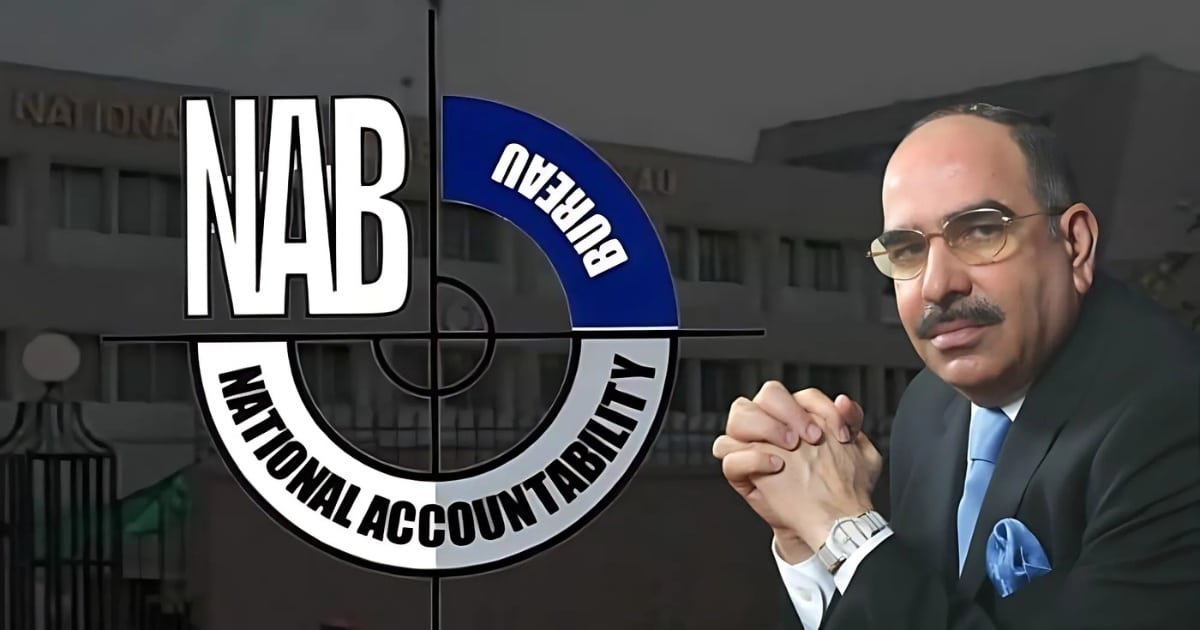





The recent auction of six properties belonging to Malik Riaz Hussain of Bahria Town marks a significant moment in Pakistan’s ongoing struggle with accountability and the rule of law. This action by the National Accountability Bureau (NAB), initiated under a court order, has brought into sharp focus the intricate web of power, wealth, and influence that has long defined the country’s political landscape.
Far from being a simple legal proceeding, this case represents a critical test of whether the state can finally hold its most powerful figures accountable, or if this is merely another politically charged episode in a cycle of selective justice.
This analysis will delve into the multifaceted dimensions of this case, examining the alleged nexus between a real estate magnate and the state, the controversial Al-Qadir Trust affair, and the broader implications for governance and public trust.
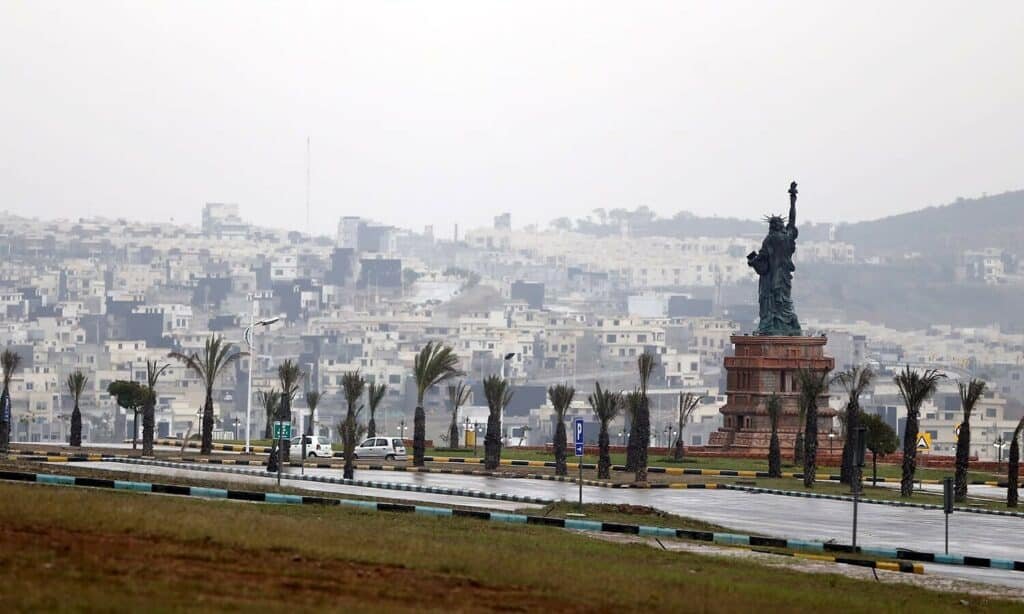
The Epicenter of Control. and Elite Status
For decades, Malik Riaz has been widely perceived as a “kingmaker” and a figure so well-connected that he was considered untouchable. His alleged ties to politicians, the establishment, media personalities, and members of the judiciary have created an impression of impunity around his business empire.
You May Like To Read: Why Pakistan Cannot Break Free from the IMF?
This perception of influence is a key element of the narrative surrounding the case. It is this very image that the NAB’s actions are now attempting to challenge. The public spectacle of auctioning his properties is a powerful symbolic move, designed to demonstrate that no one is above the law.
However, a critical analysis requires us to look beyond this spectacle. The question remains whether this is a genuine and systemic attempt to dismantle the structures of privilege, or if it is a targeted action against a specific individual for reasons that may be more political than judicial.
The above video provides ample evidence whereby Hamid Mir, himself recounts a long-standing legal battle with Malik Riaz, highlighting how the power dynamics have historically played out, often with media and journalists caught in the crossfire. The circulation of a fake list, which falsely accused journalists of receiving favors, illustrates the use of disinformation as a tool to control public narrative and silence dissent.
The Al-Qadir Trust Controversy
At the heart of the current legal proceedings is the complex and highly controversial Al-Qadir Trust case. This case, which also implicates former Prime Minister Imran Khan and his wife, Bushra Bibi, revolves around 190 million pounds that Malik Riaz allegedly transferred abroad illegally.
According to the reports, this money was recovered by the British government and returned to Pakistan. However, instead of being deposited into the state treasury, it was given back to Malik Riaz through the Supreme Court by the Imran Khan administration. In what appears to be a quid pro quo arrangement, Malik Riaz allegedly then donated a substantial piece of land to the Al-Qadir Trust, which was established for a university.
You May Like To Read: Pakistan’s Military-Industrial Complex: A New Frontier in Tech and Exports
This sequence of events, if proven, exposes a deep-seated corruption scandal that links the highest echelons of political power with a powerful business tycoon. It suggests a system where public funds can be manipulated for private gain and where legal and political institutions are used to facilitate these transactions.
The case is a stark reminder of the challenges in ensuring financial transparency and preventing the misuse of public office. The fact that the money, which rightfully belonged to the state, was allegedly returned to the person who illegally sent it abroad is a critical point that demands a thorough and impartial investigation.
A Test of Accountability
The current actions against Malik Riaz, including the auction of his properties and the arrest of his younger brother, Malik Farhat, represent a significant moment for the country’s accountability institutions. These moves are an effort to dismantle the perception of Malik Riaz as a “kingmaker” and show that the powerful can indeed be held accountable.
However, the analysis would be incomplete without considering the political context, as some federal ministers are holding press conferences against him, others are still in contact with him, or are expressing sympathy.
This divided response from within the government raises questions about the sincerity and uniformity of the accountability drive. Furthermore, the fact that Malik Riaz has obtained citizenship in the UAE, making his extradition to Pakistan difficult, highlights the loopholes and challenges in pursuing justice against high-profile individuals who have the means to escape jurisdiction.
The fate of this case will not only determine the future of Malik Riaz but also serve as a litmus test for the independence and effectiveness of Pakistan’s legal and judicial systems. For the accountability process to be considered legitimate, it must be seen as impartial, consistent, and not influenced by political vendettas.
Looking Beyond the Auction
The implications of the Malik Riaz case extend far beyond the legal and financial aspects. It touches upon fundamental issues of governance, public trust, and the rule of law. The accountability process should not be limited to Malik Riaz alone, but should also include all the politicians, bureaucrats, powerful figures, and journalists who allegedly collaborated with him or accepted favors.
You May Like To Read: The Durand Line Debate: International Law vs. Afghan Nationalism
This call for comprehensive accountability is crucial for addressing the root causes of corruption and establishing a more equitable and just society. A system where power and privilege consistently triumph over the law erodes public faith in democratic institutions and creates a fertile ground for social and political instability.
The resolution of this case will send a powerful message about the direction Pakistan is heading. Will it continue to be a country where the powerful operate with impunity, or will it take a significant step towards institutionalizing genuine accountability for all its citizens? The final outcome will have a lasting impact on the country’s political culture and its quest for justice.