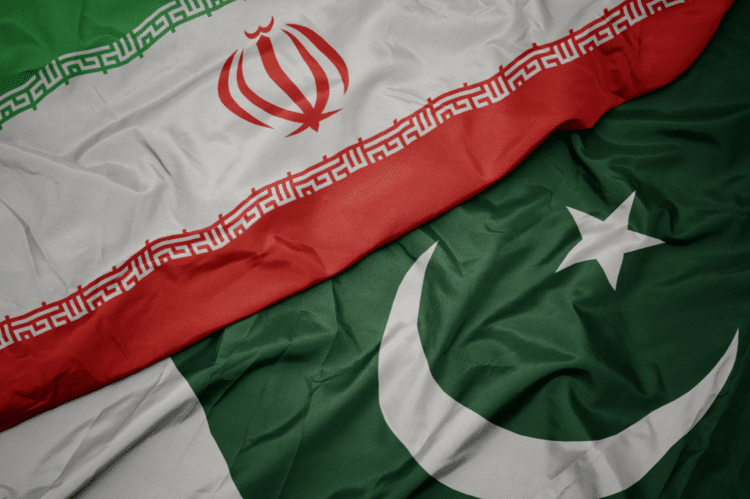





Pakistan has extended formal invitations to top Iranian leadership for emergency high-level consultations in Islamabad, coming immediately after Tehran publicly recognized Pakistan as its main diplomatic bridge with the United States.
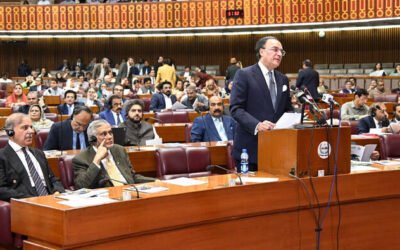
National Assembly Speaker Ayaz Sadiq extended an invitation to Mohammad Bagher Ghalibaf, Speaker of the Iranian Parliament and Tehran’s chief negotiator. Concurrently, Foreign Minister Ishaq Dar extended an urgent invitation to Iranian Foreign Minister Seyyed Abbas Araghchi during a late-night diplomatic call.
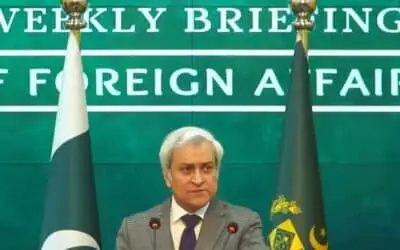
Deputy Prime Minister/Foreign Minister Senator Mohammad Ishaq Dar @MIshaqDar50 spoke today with the Foreign Minister of Iran, Seyyed Abbas Araghchi.
They exchanged views on regional and international developments, including the deteriorating situation in Occupied East… pic.twitter.com/KHA2I5OctV
— Ministry of Foreign Affairs – Pakistan (@ForeignOfficePk) August 3, 2026
High-Level Diplomatic Mobilization
The bilateral invitations follow rapid security developments across the region:
Urgent Consultation Requests: Pakistani diplomatic channels conveyed the invitations late Monday night, urging both Ghalibaf and Araghchi to travel to Islamabad as soon as possible for strategic talks on regional escalation and the situation in Occupied East Jerusalem.
Tehran Reaffirms Primary Mediator: Iranian Foreign Ministry Spokesperson Esmail Baqaei reaffirmed that Pakistan remains Tehran’s primary official mediator with Washington, with Qatar providing support when necessary. Baqaei explicitly clarified that no new third-party mediators have replaced the established Islamabad channel.
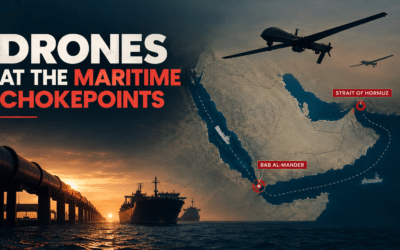
Regional Back-Channel Coordination: Although maintaining a understated public profile relative to the initial Islamabad MoU negotiations, Pakistan and Qatar recently proposed a Joint Ceasefire Plan during a nearly 13-day period of heightened escalation. Concurrently, Tehran has engaged in separate consultations with Oman regarding safe maritime traffic through the Strait of Hormuz.
Retracted U.S. Strikes and Washington’s Rhetorical Escalation
The diplomatic push in Islamabad closely follows major tactical decisions and mounting rhetoric from Washington:
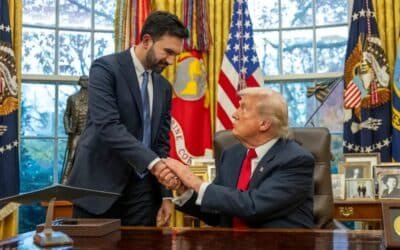
Cancellation of Imminent Operations: U.S. President Donald Trump announced the cancellation of what he characterized as a massive planned strike against Iran, stating that key regional allies—including Saudi Crown Prince Mohammed bin Salman, the UAE, and Qatar—had urged Washington to hold off while a negotiated settlement remained viable.
Dual Track of “Deal or Decapitation”: Despite calling off immediate strikes, President Trump publicly accused Iranian leadership of being “unbelievably duplicitous” after Tehran denied active negotiations were taking place. Trump warned that U.S. military pressure would persist until a “deal, or total surrender” is secured, explicitly threatening “decapitation” operations if diplomatic avenues fail.
Maritime Blockade Claims: President Trump asserted that the U.S. Navy maintains total control over the Strait of Hormuz, warning that no traffic or resources will move into Iran without explicit U.S. authorization.
Strategic Analysis: The Dynamics of the Islamabad Diplomatic Corridor
The convergence of urgent Pakistani invitations, Tehran’s explicit endorsement of Islamabad, and coercive rhetoric from Washington highlights critical strategic parameters governing the crisis:
Re-anchoring the Mediation Channel in Islamabad
By inviting Iran’s chief negotiator Ghalibaf and Foreign Minister Araghchi directly to Pakistan, Islamabad seeks to consolidate indirect U.S.-Iran discussions into a structured, centralized dialogue track. Amid competing diplomatic signals and informal channels across the Gulf, re-establishing a primary venue in Islamabad reduces strategic ambiguity and prevents miscalculations between Washington and Tehran.
Regional Intervention Against Escalation Cycles
The active involvement of Saudi Arabia, the UAE, and Qatar in persuading Washington to pause kinetic strikes highlights a consensus among regional states to avoid a total systemic war. By combining regional economic leverage with Pakistan’s institutional neutrality, regional actors are working to create a buffer against rapid escalation while keeping diplomatic pathways operational.
The Coercive Pressure Window
President Trump’s aggressive rhetoric—framing options between a signed agreement and total operational destruction—creates an urgent window for negotiators. Tehran’s willingness to send its top negotiators to Islamabad will test whether back-channel diplomacy under the Islamabad MoU framework can translate into a verifiable, long-term de-escalation framework before military options are re-engaged.