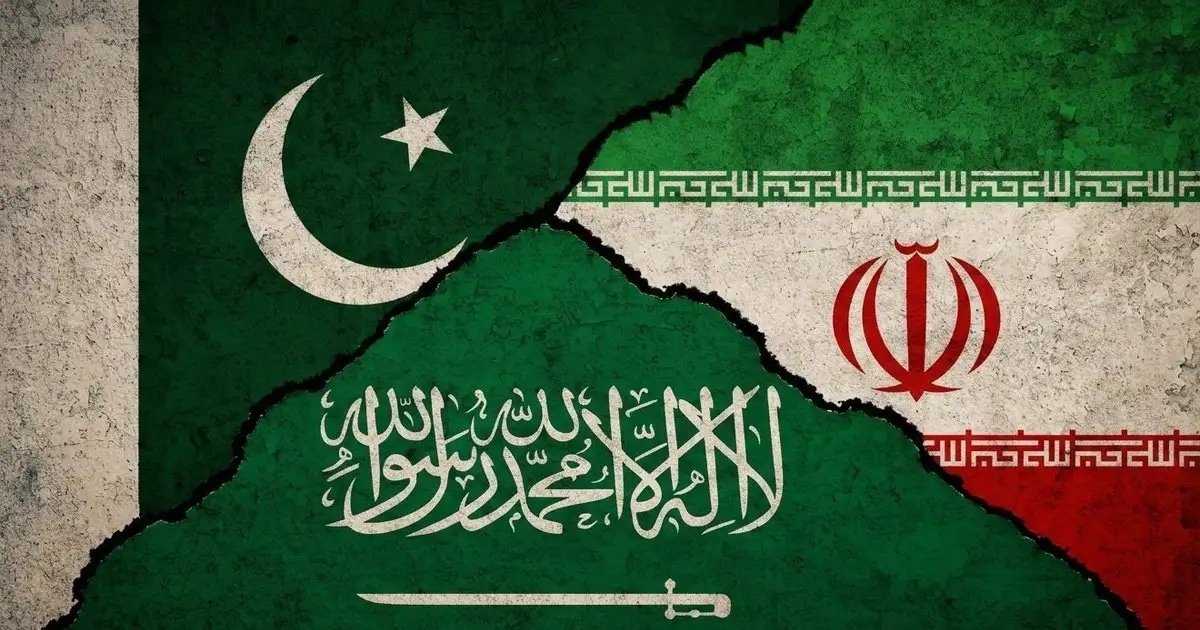





Pakistan is facing increasing pressure as tensions rise between Iran and Gulf countries following the US-Israel attacks on Iran. Islamabad shares a long 900-kilometre border with Iran and also maintains deep political, economic, and security ties with Saudi Arabia and other Gulf states.
As Iran strikes Gulf targets, Pakistan navigates alliance with Riyadh while avoiding confrontation with Tehran. https://t.co/mv2uFD743x
— Al Jazeera English (@AJEnglish) March 7, 2026
For now, the government of Prime Minister Shehbaz Sharif is trying to maintain a neutral position. However, analysts say that as the conflict expands, staying neutral could become increasingly difficult for Pakistan. The situation has become even more complicated after the killing of Iran’s Supreme Leader Ali Khamenei in a US-Israel strike on February 28, 2026, which triggered retaliatory missile and drone attacks by Iran across the region.
Diplomacy and Back-Channel Communication
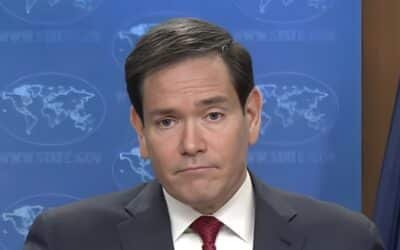
Pakistan’s leadership has been actively engaging both Tehran and Riyadh in an attempt to prevent further escalation. Deputy Prime Minister and Foreign Minister Ishaq Dar has described his efforts as “shuttle communication” between the two rivals.
Dar reportedly reminded Iranian Foreign Minister Seyed Abbas Araghchi that Pakistan has a formal defence pact with Saudi Arabia. At the same time, Islamabad also sought assurances from Riyadh that Saudi territory would not be used for attacks against Iran. These diplomatic efforts are aimed at ensuring that Pakistan is not forced to choose sides in a conflict that could destabilise the entire region.
The Defence Pact: Increasing the Pressure
In September 2025, Pakistan and Saudi Arabia signed a Strategic Mutual Defence Agreement. The deal was signed in Riyadh by Crown Prince Mohammed bin Salman, Prime Minister Shehbaz Sharif, and Field Marshal Asim Munir.
The agreement states that an attack on one country will be considered an attack on both, increasing expectations that Pakistan could support Saudi Arabia if the kingdom comes under sustained attack. Key factors complicating Pakistan’s neutrality include:
-
A 900-kilometre shared border with Iran
-
Millions of Pakistani workers are living in the Gulf countries
-
A new defence agreement with Saudi Arabia
-
Rising missile and drone attacks across the Gulf
A Strategic Tightrope for Islamabad
Pakistan’s leadership understands that openly siding with either Iran or Saudi Arabia could have serious consequences. Supporting Riyadh may strain relations with Tehran and destabilise Pakistan’s western border, while ignoring Saudi security concerns could damage Islamabad’s strategic partnership with the kingdom.
For now, Pakistan continues to focus on diplomacy and de-escalation. But as the war widens and tensions deepen across the Middle East, analysts warn that Islamabad’s balancing act may not hold for long.
You May Like To Read: Pakistan Schools Move Online as Oil Crisis Forces Emergency Fuel-Saving Measures
Check out our latest video: