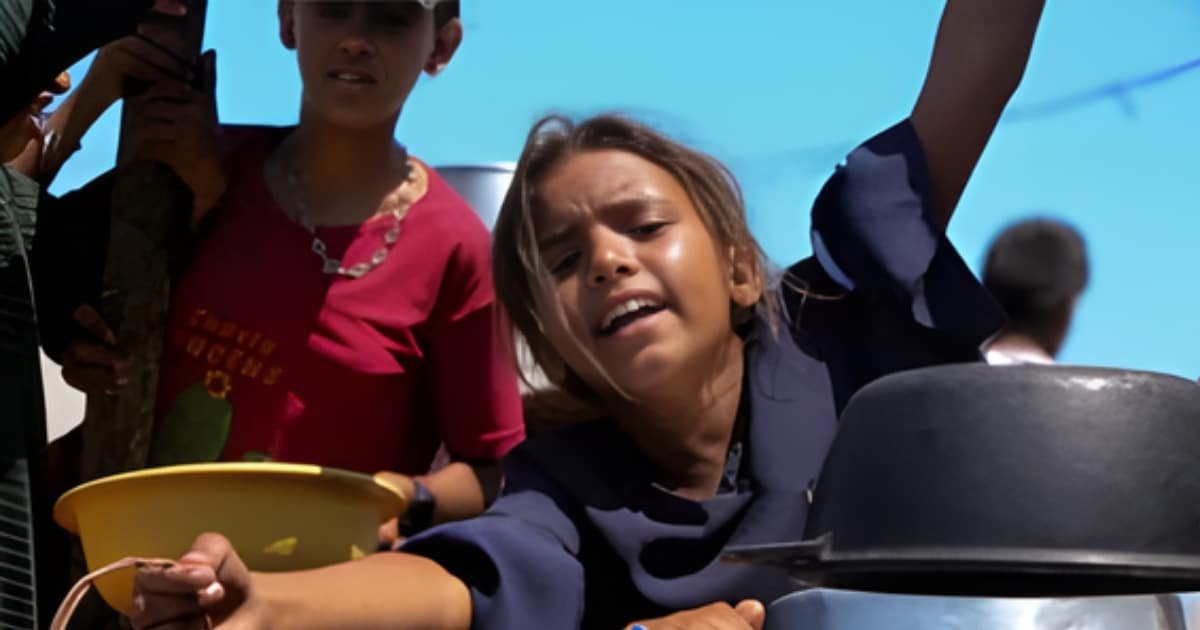




The United Nations has announced a sharply reduced humanitarian aid appeal for 2026, seeking $23 billion, a figure that is approximately half of what was sought for 2025. This dramatic reduction is a direct consequence of a severe funding cut from major Western donors, forcing the international body to make what U.N. aid chief Tom Fletcher called “tough, tough, brutal choices.”
Launching 2026 plan to save 87m lives with US$23bn.
Delivered with ruthless prioritisation and efficiency.
We need moral ambition.
Will governments show up? This will define who lives and who falls through cracks.
Back us. Hold us to account.https://t.co/ltzV2VbJQz pic.twitter.com/ybnB8OBAec
— Tom Fletcher (@UNReliefChief) December 8, 2025
The appeal acknowledges a grim reality, as the massive shortfall in financial support means U.N. agencies are compelled to prioritize only the most desperate populations, consequently shutting out tens of millions of people in urgent need of life-saving help worldwide.
Fletcher lamented that aid organizations are “overstretched, underfunded, and under attack,” comparing the situation to an ambulance lacking water to fight the fire it drives toward. The move signifies a shift away from comprehensive humanitarian assistance towards a narrower, life-saving focus, dictated by financial constraints rather than the unprecedented scale of global suffering caused by conflicts and climate shocks. The funding cuts follow a drastic scaling back of support, notably from top Western contributors like the U.S. and Germany.
You May Like To Read: US Uses Afghan Shooting to Impose Sweeping Anti-Migrant Policies
This $23 billion appeal marks a forced, desperate retreat by the UN from its comprehensive humanitarian mission. The financial retreat, fueled by major donor cuts, imposes a grave ethical burden, compelling agencies to make “brutal choices” that tragically exclude tens of millions of people in dire need. Ultimately, this shortfall translates directly into an escalating, man-made crisis for the world’s most vulnerable, where fiscal limits, rather than the true scale of human suffering, now dictate who lives and who goes without a lifeline. The message is clear: the global aid system is buckling under political apathy and a critical lack of funds.