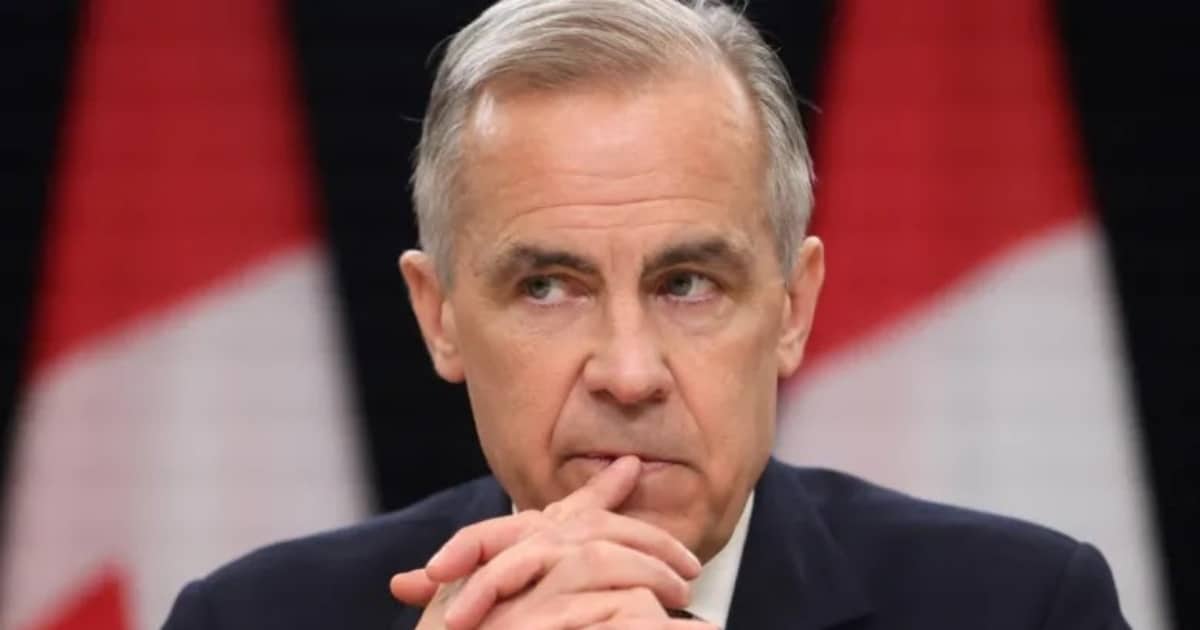





Prime Minister Mark Carney has arrived in Beijing for a “consequential and historic” official visit, marking the first time a Canadian head of government has visited the People’s Republic of China since 2017. The visit signals a pivotal shift in Canadian foreign policy as the government seeks to diversify its trade portfolio and reduce economic over-reliance on the United States.
Opinion: Carney needs to be wary of the same old China ‘reset’ mirage https://t.co/N6AJY6Gtln pic.twitter.com/0RcfRC2xFv
— The Globe and Mail (@globeandmail) January 14, 2026
A “Bold” Vision for Trade Diversification
The Prime Minister’s Office (PMO) describes the mission as a cornerstone of a decade-long plan to double Canada’s non-U.S. exports. With ongoing uncertainty surrounding trade relations with Washington, the Carney government is pursuing a policy of “realism”—seeking economic opportunities in the Asia-Pacific region while maintaining clear guardrails on national security and human rights.
“We are approaching this relationship with a new level of realism,” a senior government official stated. “Canada cannot achieve its objective of economic resilience without engaging with the world’s second-largest economy.”
High-Level Engagements
The Prime Minister’s itinerary includes critical high-level meetings:
- Thursday: Bilateral talks with Premier Li Qiang and Zhao Leji, Chairman of the Standing Committee of the National People’s Congress.
- Friday: A one-on-one summit with President Xi Jinping to build on progress made during the 2025 APEC summit in South Korea.
Addressing Agricultural and Industrial Disputes
A top priority for the Canadian delegation is the removal of Chinese tariffs on Canadian canola, which have heavily impacted farmers in the prairie provinces. These tariffs were widely viewed as a response to Canada’s 2024 levies on Chinese electric vehicles (EVs). Prime Minister Carney is expected to seek a resolution that protects Canadian agricultural interests while navigating the complex global landscape of EV competition.
You May Like To Read: International Court of Justice Commences Merits Phase in The Gambia v. Myanmar Genocide Case
Navigating Global Alliances
While seeking “strategic autonomy,” Canada remains committed to its traditional alliances. Officials confirmed that the United States has been kept “well informed” of Canada’s intentions. The visit aims to find common ground on global challenges such as climate change and energy transition, even as the two nations remain at odds over critical minerals and defense.
This visit marks a significant step toward rapprochement following the strained relations of the past decade, aiming to forge a “healthier relationship” defined by mutual understanding of red lines and shared economic interests.
Check out our latest video: