The National Assembly passed the Elections (Amendment) Bill, 2026, introducing a controversial provision that allows parliamentarians to keep their financial assets secret from the public. Under the new amendment to Section 138 of the Elections Act, members of the National Assembly, Senate, and provincial assemblies can apply to keep their asset declarations confidential if they believe public disclosure poses a “serious threat” to their safety or that of their families. While lawmakers must still submit true statements to the Election Commission of Pakistan (ECP), the NA Speaker or Senate Chairman now has the power to bar these details from being published in the official gazette for up to one year at a time.
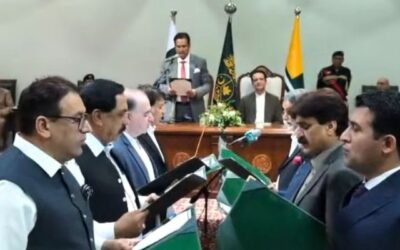
The National Assembly on Wednesday passed the Elections Amendment Bill, 2026, bringing immediate changes to the Elections Act, 2017. The amendments, presented by Member of National Assembly Shazia Marri, https://t.co/BcDLjfDqer#DialoguePakistan #NationalAssembly pic.twitter.com/z3YsizghNx
— Dialogue Pakistan (@DialoguePak) January 21, 2026
The bill was passed amid a vocal protest from the PTI, which argued that the move undermines transparency and public accountability. Government representatives, however, defended the legislation as a “balanced approach” to protect individual rights and personal security in an increasingly polarized environment. The bill also officially replaces references to the “Supreme Court” with the “Federal Constitutional Court” across various election laws, reflecting the major judicial restructuring recently enacted under the 27th Amendment.
You May Like To Read: Pakistan Warns UN of “Water Weaponization” as Indus Treaty Crisis Deepens
To become law, the bill now requires the approval of the Senate and the signature of President Asif Ali Zardari. Critics warn that the move could further erode public trust in the democratic process, especially following a report earlier this month that over 440 lawmakers had already missed the mandatory December 31 deadline for asset submission. Proponents maintain that the “safety-first” provision is a necessary protection for representatives serving in high-risk areas.
Check out our latest video: