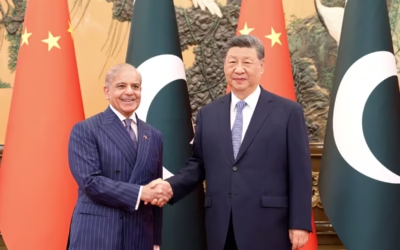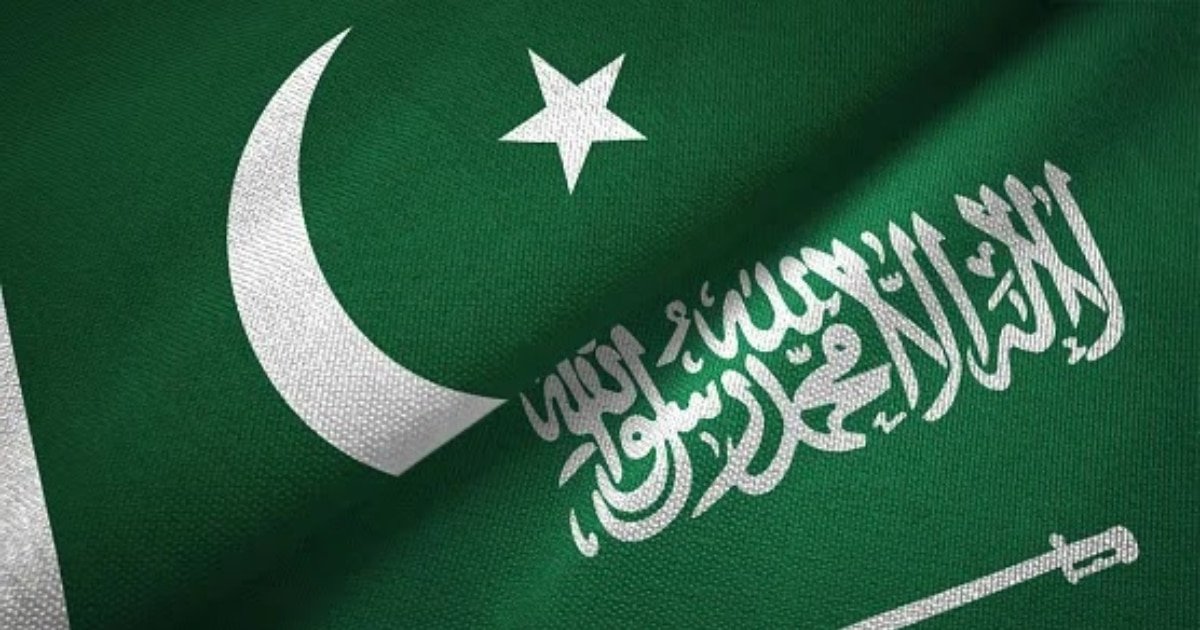





Pakistan’s military leadership signaled firm but cautious support for Saudi Arabia following a series of Iranian drone and missile strikes on the Kingdom. In a high-level meeting between Chief of the Army Staff (COAS) Field Marshal Asim Munir and Saudi Defense Minister Khalid bin Salman, Islamabad activated the framework of the Strategic Mutual Defence Agreement (SMDA). While the meeting underscored Pakistan’s commitment to Saudi security, the diplomatic language used by the Inter-Services Public Relations (ISPR) was carefully calibrated to avoid a total rupture with Tehran.
You May Like To Read: Putin Offers Condolences to Iran Amid “Aggression”
The ISPR statement notably referred to Iran as a “brotherly country” and called for “wisdom and restraint” to avoid further miscalculation. This phrasing contrasts with Riyadh’s sharper rhetoric, reflecting Islamabad’s need to manage its sensitive 900-kilometer border with Iran and its own domestic stability. Deputy Prime Minister Ishaq Dar recently revealed that Pakistan had already reminded Tehran of the SMDA’s existence, attempting to act as a backchannel to secure Saudi territory from the wider “Operation Epic Fury” conflict.
“Yet even as the [Pakistani] statement recognised the attacks and spoke of measures needed to stop them, it refrained from adopting the sharper tone that Riyadh used in its own version of the meeting,” writes foreign affairs correspondent @baqirsajjad https://t.co/bf6V460d6m
— Dawn.com (@dawn_com) March 7, 2026
Despite these diplomatic efforts, Iran has continued to target U.S. military infrastructure located within Saudi borders. Pakistan now faces a grueling strategic dilemma: it must honor its deep-rooted defense partnership with Riyadh, which includes extensive training and advisory roles, without being dragged into a direct kinetic confrontation with Iran. As the war involving 14 countries spreads, Islamabad’s “solidarity without escalation” policy will be severely tested by the future actions of Washington and Tehran.
Check out our latest video: